

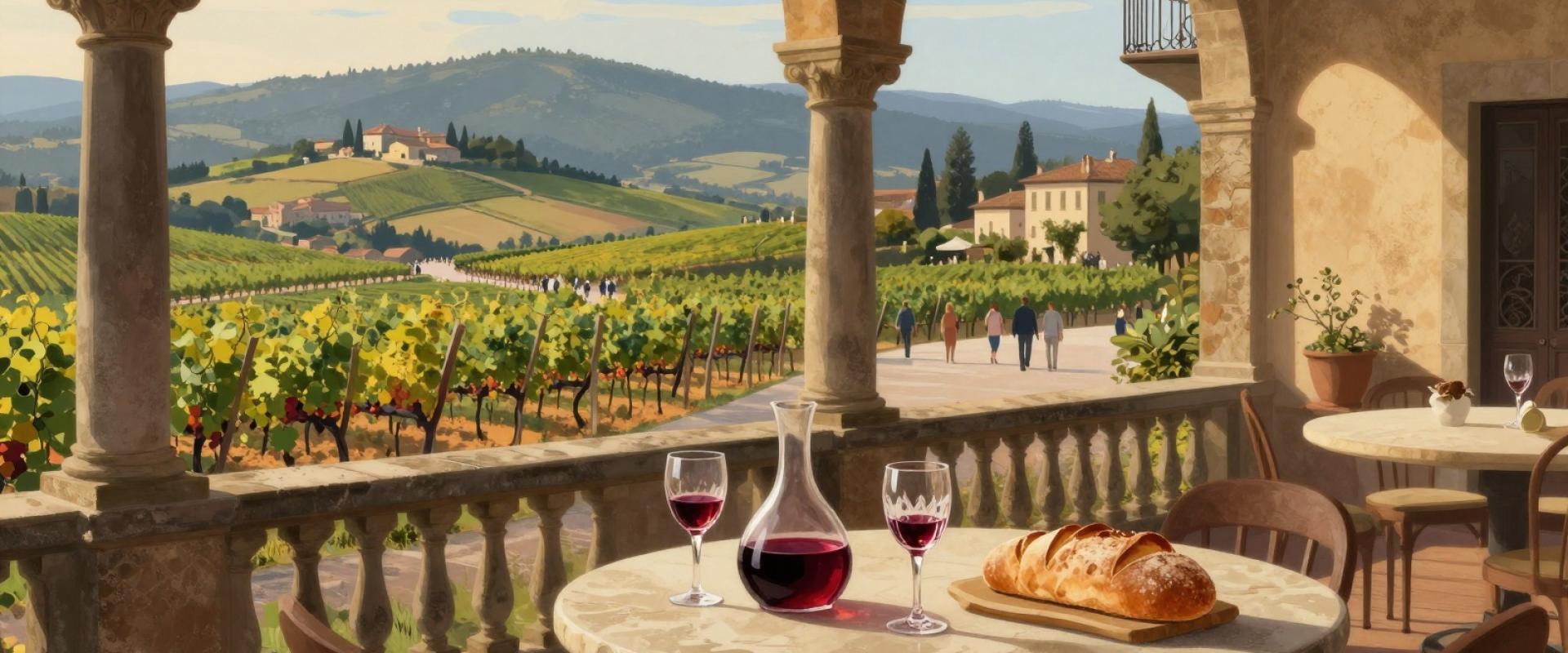
Italy offers distinct wine experiences across its major regions. Travelers should focus on one or two areas for efficiency. Tuscany is famous for Chianti Classico. Vineyards dot the rolling hills near Florence. Tours often include lunch at local agriturismos. Prices range from €20 to €50 per person. Piedmont dominates the northwest with Barolo and Barbaresco. These wines require longer aging. Tours here are more rustic and remote. Expect higher costs for premium tastings. Veneto provides a different experience in the northeast. Prosecco production centers around Valdobbiadene. Tours are frequent and accessible from Venice. Many offer bus transfers from major cities. Seasonal timing affects availability. Harvest season runs from September to October. This period is peak for active tours. Bookings fill months in advance. Spring and autumn offer mild weather. Summer can be hot in southern regions. Winter sees fewer open wineries. Logistics vary by region. Tuscany has excellent road networks. Piedmont requires a car for remote estates. Veneto offers good train connections to vineyards. Choose based on preferred wine style. Prioritize accessibility for first-time visitors. Focus on quality over quantity. Limit visits to three wineries per day. This allows time for travel between estates. Research specific winery requirements beforehand. Some require reservations weeks ahead. Others accept walk-ins during off-peak hours. Plan your itinerary around key harvest dates. This ensures the most vibrant atmosphere.
Booking Protocols and Access
Advance reservations are mandatory for prestigious Italian estates. Walk-in visits are rarely accepted at top producers. You must contact wineries weeks or months ahead. This protocol ensures quality control and exclusive access. Smaller family-owned vineyards offer more flexible booking options. Direct communication via email or WhatsApp is standard. Many producers prefer personal messages over online forms. Tiered tasting structures define the pricing model. Basic tastings typically cost between €10 and €20. These include two to three local wine samples. Premium flights featuring rare vintages range from €30 to €50. Reserve tours often include a guided cellar walk. These last approximately 45 to 60 minutes. Lunch pairings with local cheeses and cured meats add cost. Expect to pay an additional €25 to €40. Always confirm if a tasting fee is refundable. Many Italian wineries deduct this amount from bottle purchases. This policy encourages direct sales to visitors. Bring your passport for identification at high-end venues. Some regions require advance registration for group sizes. Private tours require separate coordination with local drivers. Always verify opening hours before traveling. Many small wineries close on Mondays or Tuesdays. Seasonal variations affect availability during harvest periods. Book early for Chianti Classico and Barolo regions. These areas experience the highest tourist demand. Direct contact with the producer remains the most reliable method. Avoid third-party aggregators for exclusive estate access. They often lack real-time inventory updates. Personal relationships with winemakers can unlock hidden experiences. However, these require prior introduction and respect for protocol. Always dress modestly when visiting working vineyards. Closed-toe shoes are recommended for cellar tours. This safety requirement is strictly enforced in Italy. Prepare for a structured, formal tasting experience. It differs significantly from casual American wine bars. Respect the ritual and the regional traditions.
Transportation and Logistics
Public transport in rural Italian wine regions is limited. Trains rarely reach small vineyards in Tuscany or Piedmont. Buses run infrequent schedules between major towns. You cannot rely on them for efficient winery hopping. Renting a car offers flexibility for exploring remote estates. However, driving requires caution on narrow, winding country roads. ZTL zones restrict vehicle access in historic town centers. Parking near popular wineries is often scarce during peak season. You must arrive early to secure a spot. Private drivers provide a safer, more relaxed alternative. This option eliminates navigation stress and parking concerns. You can focus entirely on tasting and logistics. Organized tours handle all transportation and scheduling details. These services are ideal for groups or first-time visitors. Costs vary by region and vehicle type. Expect higher prices for luxury vehicles or private guides. Book drivers through reputable agencies or your hotel. Confirm insurance coverage and driver licensing beforehand. Always carry your international driving permit if renting. Italian traffic laws are strictly enforced. Speed limits are lower in rural areas. Alcohol limits for drivers are zero tolerance. Never drink and drive in Italy. Plan your route to avoid heavy tourist traffic. Morning visits are less crowded and easier to navigate. This strategy ensures a smoother, safer wine tour experience.
Etiquette and Tasting Norms
Greet hosts with a polite "Buongiorno" or "Buonasera." This basic Italian courtesy sets a respectful tone immediately. Use formal "Lei" when addressing staff unless invited otherwise. Proper technique involves swirling the glass gently. This action releases the complex aromas of Italian grapes. Sniff deeply to identify specific regional notes. Sip slowly, allowing the wine to coat your palate. Spitting is common and accepted during professional tastings. Many estates provide spittoons for hygiene and clarity. You are not obligated to finish every glass. Dress codes vary by region and establishment type. Smart casual attire is standard for most vineyard tours. Avoid strong perfumes or colognes that interfere with scent. Sensory clarity is essential for accurate evaluation. Bring water to cleanse your palate between tastings. Most tastings last between thirty and sixty minutes. Prices typically range from ten to thirty euros. Some premium experiences cost significantly more. Always ask before taking photographs inside the cellar. Respect quiet zones during the fermentation process. Tipping is not mandatory but appreciated for good service. Keep conversations low to maintain a focused atmosphere. Follow the host’s lead regarding movement through the estate. These norms ensure a smooth and enjoyable experience.
Curated Tour Operators and Experiences
Book platforms like WineTourism.com offer private vineyard visits across Italy. These sites facilitate guided regional wine experiences. Travelers can access curated winery tours via specialized searchers. Planning requires identifying top wine regions early. Small-group tours provide intimate access to local producers. Private tours allow customized itineraries for specific grapes. You must check operator reviews for reliability. Verify sustainability practices before booking any experience. This ensures ethical engagement with Italian winemakers. Prices vary by region and exclusivity. Tuscany tours often cost more than Piedmont options. Duration typically ranges from half-day to full-day trips. Advance booking is essential for prestigious estates. Walk-ins are rarely accepted at top producers. Use formal Italian greetings when meeting hosts. This courtesy sets a respectful tone immediately. Public transport rarely reaches rural vineyards. You cannot rely on infrequent bus schedules. Private drivers or rental cars are necessary. Focus on one or two regions for efficiency. Chianti Classico dominates Tuscan offerings. Nebbiolo defines Piedmont’s prestigious Barolo zone. Research local grapes before selecting a tour. This knowledge enhances the tasting experience significantly. Avoid generic packages that skip authentic interactions. Seek operators with direct winery partnerships. These connections often yield exclusive tastings. Confirm cancellation policies before finalizing payments. Weather can impact outdoor vineyard tours. Have backup indoor options if possible. This flexibility ensures a smooth travel day. Prioritize operators with verified local expertise. Their insights add depth to every sip.