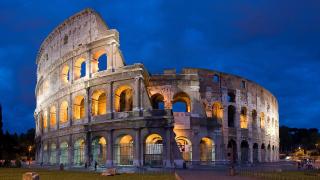

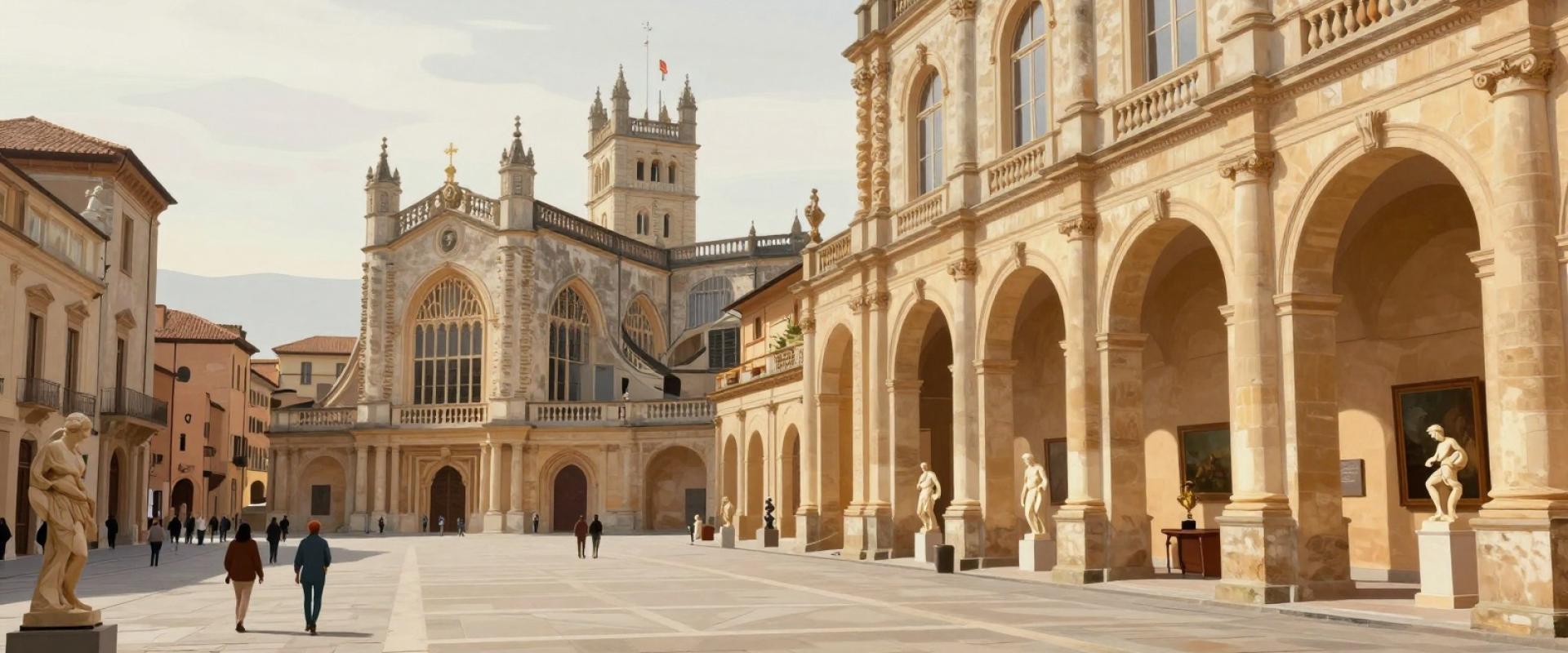
Italy holds 60% of the world's cultural heritage. Art exists across 500+ cities, not just capitals. This decentralization creates logistical challenges for travelers. Visitors face significant 'museum fatigue' during extensive tours. Administrative chaos often complicates ticketing and entry procedures. Institutions vary widely in management and quality. State-run museums operate under strict national guidelines. Private galleries offer more flexible, curated experiences. Strategic planning is essential for a seamless visit. You must prioritize specific regions to avoid exhaustion. Focus on key artistic periods like Etruscan or Baroque. Plan routes connecting Venice to Puglia efficiently. Distinguish between major hubs and smaller local galleries. This distinction helps manage time and energy effectively. Proper curation ensures you see masterpieces without burnout. The sheer volume of art requires careful selection. Prioritize must-see locations in Florence, Milan, and Rome. Balance high-traffic sites with quieter, regional alternatives. This approach maximizes cultural exposure while minimizing stress. Effective navigation transforms a chaotic experience into a structured journey through Italy's vast artistic landscape.
Securing Entry: The Ticketing Ecosystem
Italy’s major museums enforce strict timed-entry systems. The Uffizi Gallery, Vatican Museums, and Accademia Gallery require advance booking. Walk-up tickets are rarely available. Slots often sell out weeks ahead. You must book online to secure entry. Official websites offer the lowest base prices. Third-party operators charge service fees for convenience. These fees guarantee entry when official sites are sold out. Guided tours provide valuable historical context. They also allow priority queue bypass. This saves significant time during peak seasons. Regional passes offer value for extensive itineraries. The Firenze Card covers many Florentine sites. The Roma Pass includes public transport and museum entry. Discount cards exist for students and seniors. Always verify operator authorization before purchasing. Unofficial resellers may sell invalid tickets. Plan your itinerary months in advance. This ensures access to high-demand venues. Late afternoon slots may have shorter lines. Morning entries provide the best lighting for photography. Always carry your booking confirmation on your phone. Digital tickets are widely accepted at Italian museums.
Beyond the Big Three: Regional Gems
Italy’s art extends beyond Rome, Florence, and Venice. Regional museums offer distinct collections with fewer visitors. Bologna’s Pinacoteca Nazionale houses key works by Raphael and Caravaggio. Naples’ Museo di Capodimonte occupies a former royal palace. It displays significant Renaissance and Baroque masterpieces. Turin features the Galleria Sabauda and the Egyptian Museum. These institutions preserve diverse historical artifacts. Venice’s Peggy Guggenheim Collection showcases modern art. It occupies the Palazzo Venier dei Leoni. Regional museums provide local context often missing in major hubs. You avoid the intense crowds found in capital cities. This allows for a more focused viewing experience. Travelers can explore specific artistic traditions in their native settings. Bologna offers Emilian school paintings. Naples provides Neapolitan school highlights. Turin presents Savoy royal collections. Venice offers twentieth-century modernism. Each location reflects its regional history. Planning ahead remains essential for entry. Timed tickets are often required. Advance booking ensures access to these specialized collections. The experience is intimate and educational. You engage directly with the artwork. The atmosphere is quieter and more reflective. This approach suits serious art lovers. It reduces travel fatigue significantly. You discover Italy’s decentralized cultural heritage effectively.
Optimizing Your Visit: Logistics and Access
Audio guides vary by institution. Official rentals provide curated historical context. Third-party apps offer multilingual flexibility at lower costs. Verify compatibility with your device before arrival. Major sites like the Uffizi and Vatican Museums offer wheelchair access. Assistance services include priority entry for visitors with reduced mobility. Request these accommodations during the initial booking process. Optimal visiting times differ by season. Early morning slots reduce crowd density significantly. Late afternoon visits often provide softer lighting for photography. Check specific gallery hours, as they shift seasonally. Photography restrictions are strict in many locations. Flash use is universally prohibited to protect pigments. Bag storage is mandatory at most major museums. Lockers are available near entrances for a small fee. Plan extra time for security screenings. Transforming logistics into a smooth experience requires preparation. Pre-book timed entries to avoid long queues. Download relevant apps for digital ticket validation. Carry a valid ID for age verification. Respect quiet zones within exhibition halls. Keep voices low to maintain a respectful atmosphere for all visitors.
Curating Your Itinerary: Smart Strategies
Avoid museum fatigue by adopting a 'one major, one minor' daily approach. Balance high-traffic sites like the Uffizi with smaller regional galleries. Prioritize collections based on specific interests. Focus on Renaissance masters in Florence or Futurism in Milan. Combine museum visits with local dining. Many galleries feature on-site cafes for convenient breaks. This strategy maximizes cultural ROI through efficient planning. Use a pre-trip checklist to ensure smooth entry. Purchase e-tickets for timed entry slots in advance. Download offline maps for navigation without data. Verify closure dates for public holidays. Italy’s vast heritage requires strategic selection. Do not attempt to visit every site. Select key institutions that align with your timeline. This method reduces stress and increases engagement. Plan routes to minimize transit time between venues. Integrate shopping stops near gallery districts. This creates a cohesive cultural experience. Strategic planning transforms a chaotic schedule into a manageable itinerary. Focus on quality over quantity for a deeper understanding of Italian art.