

Accommodation Classifications
Italy uses a mandatory five-star rating system for hotels. The Ministry of Tourism enforces strict standards for each category. Stars indicate specific amenities and service levels. Five-star properties offer luxury suites and concierge services. Four-star hotels provide high comfort and dining options. Three-star establishments offer basic comfort and private bathrooms. Two-star hotels feature essential amenities with limited services. One-star properties are simple, functional rooms with shared facilities. Unrated accommodations exist but lack official government verification.
Beyond standard hotels, Italy offers unique local lodging types. Agriturismi are working farms offering rooms and meals. Guests often participate in harvest activities or farm tours. These properties emphasize rural authenticity and local produce. Affittacamere are private rooms rented by homeowners. They lack hotel services but offer personal interaction. Bed and breakfasts, or B&Bs, provide breakfast and lodging. They are common in historic buildings and villages.
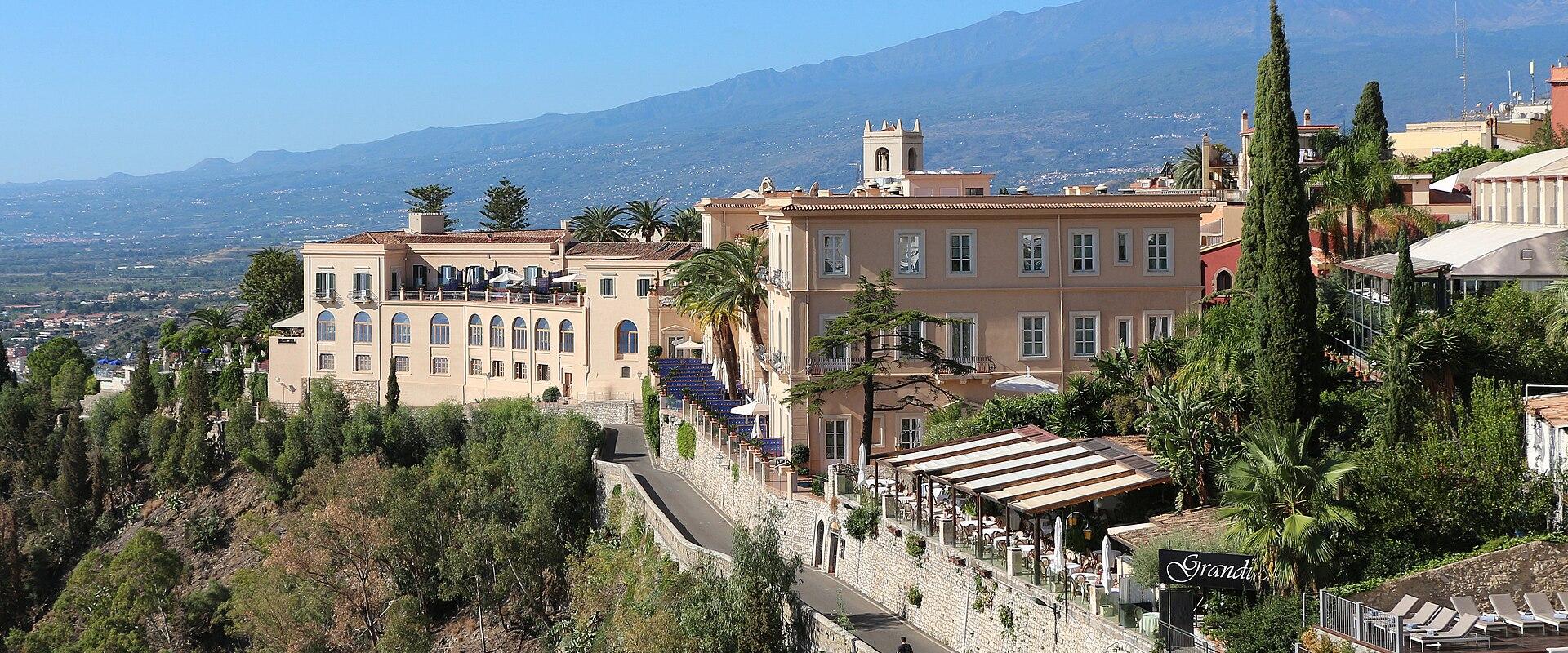
Resorts concentrate on leisure and entertainment facilities. They often include pools, spas, and organized activities. These are prevalent in coastal areas like Sicily. Budget travelers should note that prices vary by region. Rome and Venice command higher rates than rural areas. Booking in advance secures better rates during peak season. Always verify the star rating on official government websites. This ensures the accommodation meets advertised standards. Unrated options may lack consistent quality control.
Regional Pricing Dynamics
Hotel costs in Italy vary significantly by region. Northern cities like Milan and Venice command premium rates. These locations host major business hubs and fashion events. Prices surge during Milan Fashion Week and Venice Carnival. Central Italy, including Rome and Florence, sees high demand. Summer months drive prices up in these historic centers. Booking early secures better rates for peak season. Southern Italy and Sicily offer more affordable options. Budget travelers find value in Naples and Bari. Daily costs here remain lower than in the north. Secondary cities provide cost advantages without sacrificing quality. Towns like Bologna or Turin offer mid-range pricing. They serve as strategic bases for day trips. Avoiding major events reduces accommodation expenses significantly. Travelers should compare prices across regions carefully. Northern luxury hotels often exceed €300 per night. Southern boutique hotels may cost under €100. Seasonal fluctuations impact all regions differently. Winter sees price drops in coastal areas. Summer spikes occur in inland historical cities. Strategic timing and location choice save money. Research specific local events before booking. This approach prevents unexpected price surges. Focus on value rather than just low cost. Quality varies even within price brackets. Always verify amenities when comparing rates. Regional differences define the Italian hotel landscape.
Location and Accessibility
Italian hotel locations require strategic planning. Historic city centers often lack parking. Many hotels in Rome or Florence do not offer on-site spaces. You must verify parking availability before booking. ZTL zones restrict vehicle access in historic districts. Non-resident drivers face heavy fines for entry. Public transport access is critical for convenience. Hotels near major train stations offer easier transit. Milan Centrale and Rome Termini provide direct connections. These hubs connect to regional and national networks. Venice presents unique logistical challenges. Hotels require boat or foot access. Luggage transport involves narrow staircases and water taxis. Budget travelers should consider these extra costs. Accessibility in historic buildings is limited. Many structures lack elevators due to preservation laws. Guests with mobility issues must request ground-floor rooms. These rooms are scarce and book quickly. Noise levels vary by street location. Rooms facing main piazzas experience higher decibel levels. Evening crowds create persistent background noise. Selecting a quieter side street improves rest. Proximity to attractions often increases price. However, it reduces daily transit time. Balance location benefits with accessibility needs. Research specific hotel addresses on mapping tools. Verify walking distances to key sites. This ensures a manageable daily itinerary.
Booking Strategies and Policies
Italian hotels enforce strict cancellation policies. Many require full payment upon booking. Non-refundable rates offer significant discounts. Always verify the specific terms before confirming. Direct booking often provides better flexibility. Hotels may waive fees for direct cancellations. This avoids third-party platform restrictions. Credit card guarantees are standard practice. Properties require valid card details to secure reservations. This applies even to non-refundable bookings. A mandatory city tax, tassa di soggiorno, applies. This fee is not included in room rates. Rates vary by city and hotel class. Venice and Rome charge higher daily fees. You must pay this tax upon arrival. Payment is usually cash or card. Check local municipal websites for current rates. Budget approximately €3 to €10 per night. This fee supports local tourism infrastructure. It is mandatory for all overnight stays. Direct communication with the hotel clarifies these costs. Ask about included amenities and tax details. This prevents unexpected charges at check-in. Verify if breakfast is included in the base rate. Italian breakfasts differ significantly from international standards. Confirm meal inclusions during the booking process. This ensures accurate budget planning for your stay.