




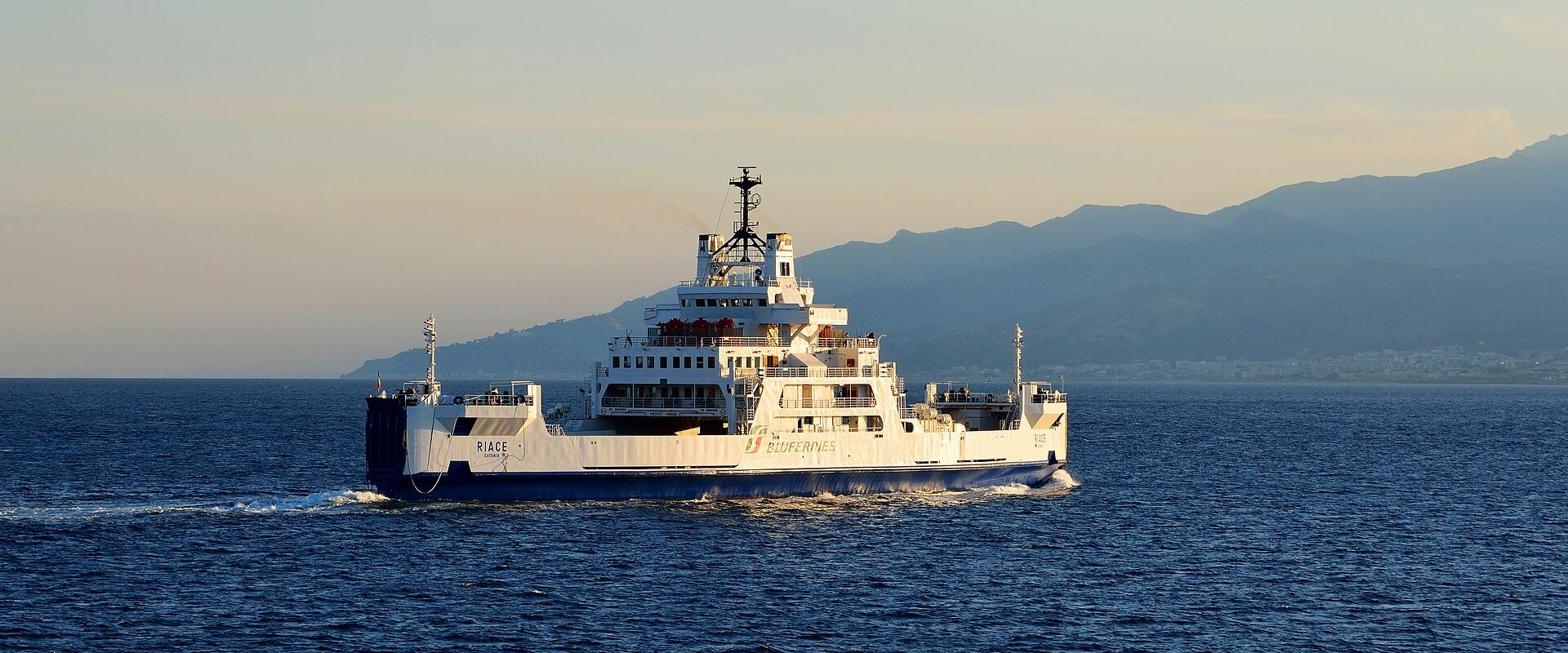
Italy’s maritime network relies on distinct operator tiers. Major long-distance carriers like Grimaldi and Moby manage heavy freight and passenger routes. These companies connect the mainland to Sicily and Sardinia. Regional hydrofoil services, such as SNAV and Alilauro, serve coastal areas. They prioritize speed over cargo capacity for island hopping. Travelers must distinguish between 'traghetti' and 'aliscafi'. Traghetti are conventional ferries that transport vehicles and passengers. Aliscafi are high-speed hydrofoils designed for foot passengers only. Seasonality drastically impacts schedule frequency. Summer months see increased daily departures to popular islands. Winter schedules often reduce frequency or suspend certain routes entirely. Major maritime hubs include Naples, Palermo, and Genoa. Terminal verification is critical before booking. Ports like Naples’ Molo Beverello handle high-volume traffic. Always confirm the specific terminal for your departure. This prevents confusion between nearby ports in cities like Rome. Understanding these structural differences ensures efficient travel planning across the Italian archipelago.
Booking Protocols and Platforms
Italian ferry operators like Grimaldi and Moby offer direct booking via official websites. Third-party aggregators provide comparison tools but may add service fees. Always verify the final price on the operator’s site before purchase. Passenger tickets require valid government-issued identification for all travelers. Vehicle bookings demand the original vehicle registration document. Check-in protocols differ significantly by vessel type. Standard ferries require check-in two hours before departure. Hydrofoils and fast boats often mandate check-in only thirty minutes prior. Last-minute bookings carry high risks of sold-out capacity. Peak summer seasons see rapid ticket depletion. Confirm your reservation immediately after payment. Email confirmations serve as primary boarding documents. Print these documents or save them digitally. Failure to present valid documentation results in denied boarding. Vehicle spaces are limited and strictly allocated. Book car tickets months in advance for summer travel. Passenger-only seats remain available closer to departure dates. Always review specific operator terms regarding cancellations. Italian maritime regulations enforce strict safety checks. Arrive early to accommodate security procedures. Late arrivals may forfeit the ticket value entirely.
Cost Structures and Budgeting
Fare structures vary significantly across Italian maritime routes. Passenger-only tickets typically range from €15 to €50 for short hops. Longer crossings to Sicily or Sardinia cost more. Vehicle transport adds substantial fees. A standard car usually costs between €50 and €150 extra. Prices spike during peak summer months. July and August see the highest rates. Booking early secures lower fares. Last-minute tickets often carry premium surcharges. High-speed vessels cost more than slow ferries. Overnight crossings offer cabin options for extra comfort. These cabins increase the total price significantly. Port taxes are often included in base fares. However, some operators charge separate boarding fees. Onboard meals are expensive and optional. Bringing your own food saves money. Discounts apply for children, seniors, and locals. Always check operator websites for specific rules. Grimaldi and Moby dominate the market. Their pricing models reflect service levels. Budget travelers should prioritize advance bookings. This strategy minimizes unexpected costs effectively.
Luggage and Onboard Logistics
Hydrofoils restrict luggage to small bags. Large suitcases are prohibited on these fast vessels. Ferries offer dedicated storage areas for bulky items. Passengers must secure bags in designated zones. Bicycles incur additional fees on most routes. Motorhomes require specific vehicle transport bookings. Costs vary by operator and season. Dining options range from simple bars to full restaurants. Wi-Fi availability is inconsistent across Italian ferries. Expect limited connectivity on shorter crossings. Comfort levels depend heavily on ticket class. Basic seats lack reclining features. Overnight cabins provide beds and private facilities. Motion sickness medication is essential for rough seas. Carry cash for onboard purchases. Card acceptance is not universal on smaller boats. Prepare for physical exertion during boarding. Stairs are common on older vessels. Elevators are rare except on large car ferries. Plan extra time for luggage handling. Oversized items may require separate check-in. Verify specific baggage rules before booking. Italian operators enforce strict weight limits. Failure to comply results in denied boarding. Always check current policies on official websites. Luggage tags are mandatory for checked items. Keep valuables in personal carry-on bags. Security checks are standard at major ports. Arrive early to manage logistics effectively.
Italian ferry schedules frequently change due to severe weather. High winds often cancel departures from Sicily and Sardinia. Safety protocols prioritize passenger security over strict timetables. EU Regulation 1177/2010 protects maritime passengers in Italy. You retain rights if your journey is significantly delayed. Carriers must offer rebooking or refunds for major disruptions. Check your ticket terms for specific compensation eligibility. Flexibility is essential for managing Italian maritime uncertainty. Book refundable fares when possible to mitigate financial loss. Travel insurance covering transport delays provides critical financial protection. Maintain direct contact with operators like Grimaldi or Moby. Monitor official websites for real-time schedule updates before travel. Rebooking procedures vary by company policy. Some operators allow free changes within 24 hours. Others charge fees for last-minute modifications. Seek assistance at port ticket offices during disruptions. Staff can help arrange alternative routes or accommodations. Keep all booking confirmations and receipts accessible. These documents are necessary for filing compensation claims. Prompt action ensures smoother resolution of travel issues.