




The Euro Standard
Italy uses the Euro (€) as its sole legal tender. The Italian Lira is obsolete but remains exchangeable at the Bank of Italy. You can exchange old Lira notes indefinitely at Bank of Italy branches. Small denominations are essential for daily transactions in Italy. Many smaller vendors and rural shops prefer cash over cards. Carrying coins is practical for public restrooms and small purchases. Italian Euro notes feature distinct architectural styles from different eras. Visual identification helps distinguish values quickly. The fifty Euro note is blue and depicts Renaissance architecture. The twenty Euro note is red and showcases Baroque elements. The ten Euro note is pink and represents Romanesque-Gothic styles. The five Euro note is grey and features Classical architecture. The one and two Euro coins have national sides. These sides display unique Italian designs for each country. Always carry some cash for smaller establishments. Cards are widely accepted in major cities and hotels. However, cash remains king in smaller towns. ATMs are common but may charge fees. Notify your bank before traveling to avoid blocks. Always choose to pay in Euros at terminals. This avoids dynamic currency conversion fees. Keep small bills for tips and minor expenses. Tipping is not mandatory but appreciated for good service. Round up the bill for casual dining. Leave small change on the table for waiters. This is a common local custom. Avoid exchanging money at airports for better rates. Use bank ATMs for competitive exchange rates. Check your account statements for hidden fees. Plan your cash needs before arriving in Italy. This ensures a smooth financial experience. The Euro system simplifies cross-border travel within the zone. Italy’s integration into the Eurozone began in 1999. Physical Euro coins entered circulation in 2002. This replaced the Lira completely in public use. Understanding these basics helps you navigate payments confidently. Cash remains a vital part of Italian commerce. Be prepared to use it frequently. The Euro is stable and widely recognized. This provides security for your transactions. Always keep your currency secure. Use hotel safes for large amounts. Carry only what you need for the day. This minimizes risk of loss or theft. The Euro is the standard for all official transactions. No other currency is legally accepted for debt settlement. This uniformity simplifies budgeting for visitors. You know exactly what you are paying. There are no hidden conversion surprises. The system is transparent and straightforward. This clarity benefits both locals and tourists. It reduces confusion at point of sale. You can focus on your experience. Money management becomes a simple task. The Euro facilitates easy commerce. It supports Italy’s robust economy. This stability is crucial for daily life. It reflects Italy’s economic integration. The Euro is more than just money. It is a symbol of unity. This unity is visible in daily transactions. You see it in every purchase. It connects Italy to the wider world. This connection is vital for trade. It also benefits individual travelers. You can move freely across borders. The Euro makes this seamless. It removes friction from travel. This convenience is a key advantage. It enhances the overall travel experience. You spend less time worrying about money. You spend more time enjoying Italy. This is the ultimate goal. The Euro helps you achieve it. It is a tool for freedom. Use it wisely and confidently. The Euro is your key to Italy. It opens doors to culture and history. It facilitates access to local life. It is an essential part of the journey. Respect the currency and the system. This respect is reciprocated by locals. It fosters positive interactions. It makes your trip smoother. The Euro is a bridge. It connects you to the Italian way of life. Embrace it fully. Let it guide your financial decisions. It will serve you well. The Euro is reliable and consistent. It is the backbone of Italian commerce. It supports the vibrant market culture. It enables the bustling street life. It is integral to the Italian identity. It reflects the nation’s modernity. It honors the past while embracing the future. This balance is key to Italy’s charm. The Euro embodies this spirit. It is a symbol of progress. It is a tool for connection. It is the standard for all. It is the Euro. It is Italy. It is now.
Cash vs. Card Dynamics
Cash remains essential for small vendors and local cafes. Many trattorias and family-run shops prefer euros. You should carry small bills for these transactions. Card acceptance varies significantly across different regions. Urban centers like Rome and Milan accept cards widely. Rural areas and smaller towns often require cash. Some merchants impose minimum spending limits for card use. Always ask before ordering if cards are accepted. Avoid Dynamic Currency Conversion (DCC) at payment terminals. DCC charges poor exchange rates and hidden fees. Always choose to pay in local euros. Visa and Mastercard are the standard payment methods. American Express is less common and often rejected. Smaller businesses rarely accept Amex due to higher fees. ATMs are widely available in cities and towns. Use bank-affiliated ATMs to minimize transaction fees. Never accept DCC offers on screen prompts. Keeping small euro notes ensures smooth daily transactions. This strategy prevents awkward situations at checkout counters. Planning your cash needs reduces reliance on cards. This approach respects local business practices and customs.
ATM Withdrawals and Fees
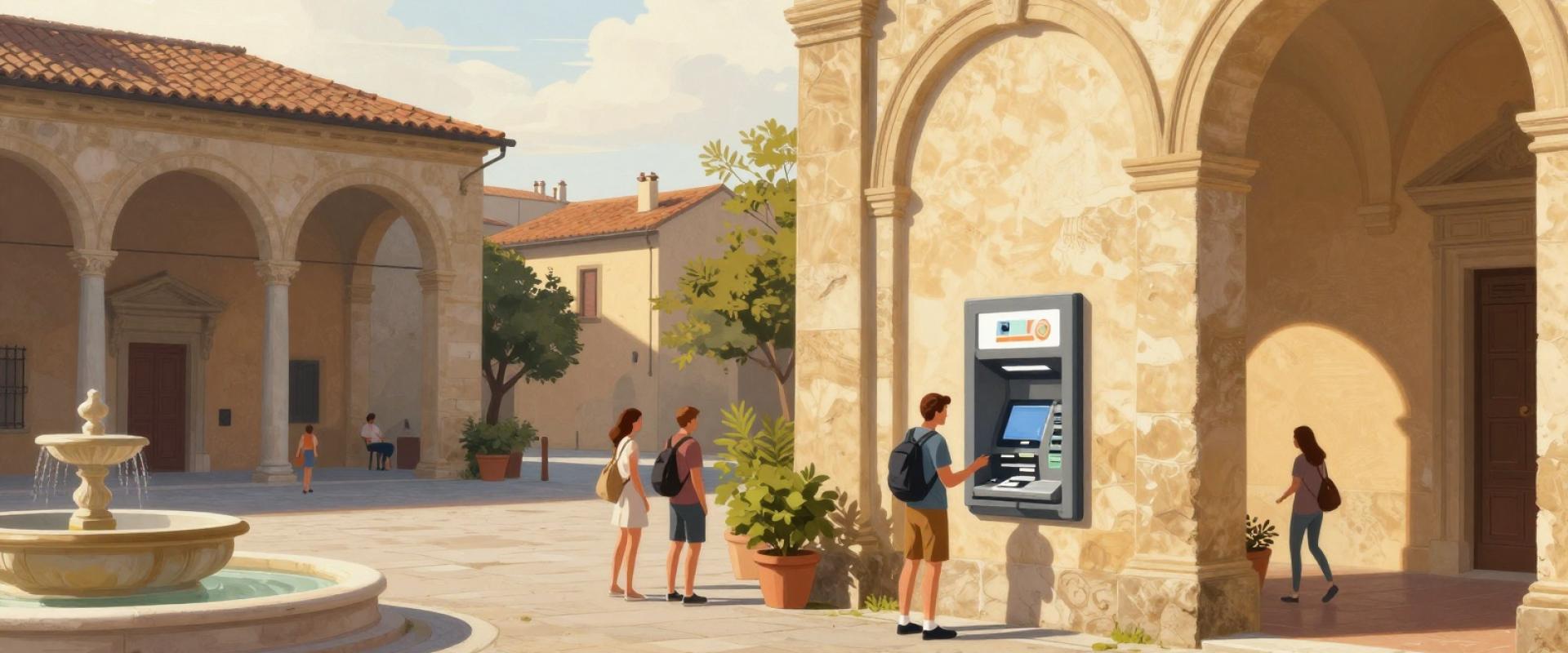
Use ATMs located inside major Italian banks. Intesa Sanpaolo and UniCredit offer the most reliable service. These machines are widely available in cities and towns. Avoid independent ATMs found in tourist areas. These often charge high surcharges and offer poor exchange rates. Always select the transaction in Euros. Decline any Dynamic Currency Conversion offers. This service locks in a bad exchange rate. Your bank will provide a better rate. Withdraw larger amounts to minimize per-transaction fees. Most Italian ATMs allow withdrawals up to €250. Some machines may limit you to €100 per transaction. Check your home bank’s international withdrawal fees. Many banks charge a flat fee per withdrawal. Plan your cash needs for the week. Small bills are useful for tips and small purchases. Keep receipts until you verify your bank statement. Report any discrepancies immediately to your bank. This ensures you are not charged for errors. Secure your PIN and shield the keypad. Italian ATMs are generally safe but vigilance is key. Always be aware of your surroundings. Withdraw cash only when necessary. Cards are accepted in most larger establishments. Carry enough cash for small vendors. This avoids unnecessary ATM fees. Stay informed about current banking hours. Banks close on Sundays and holidays. Plan withdrawals accordingly to avoid inconvenience.
Tipping Etiquette
Tipping in Italy differs significantly from North American customs. Restaurants typically add a coperto, or cover charge, to your bill. This fee covers bread and table service. It is standard practice and not optional. Always check your receipt for servizio incluso. This indicates that service charge is already included. If included, no additional tip is required. Large tips are generally unnecessary and may seem unusual. Rounding up the bill is the standard polite gesture. For example, round a €47 bill to €50. This small amount is appreciated but not expected. Porters and housekeeping staff appreciate small tips. A few euros per bag is sufficient. For housekeeping, leaving €1-2 daily is polite. Taxi drivers usually round up to the nearest euro. Tipping is discretionary, not mandatory. Your service quality determines the generosity. Italians view tipping as a bonus for good service. It is not a wage subsidy. Understanding these nuances ensures respectful financial interactions. You will navigate Italian dining with confidence. Avoid over-tipping to respect local norms. Keep small bills handy for these gestures.
Budgeting and Safety
Protect cash from pickpockets in crowded areas. Use a hidden money belt or neck pouch. Keep only daily spending cash in your front pocket. Store larger sums in hotel safes. Rely on multiple payment methods for security. Use credit cards for major purchases to build fraud protection. Carry small euro bills for cafes and markets. Notify your bank of travel dates before departure. This prevents automatic card blocks during international use. Keep all purchase receipts securely. You need them for VAT refunds at customs. Refunds apply to goods over €155 per receipt. Present receipts and passports at the airport exit. Verify refund eligibility before leaving the EU. Avoid dynamic currency conversion at ATMs. Always choose to pay in euros. This ensures better exchange rates from your bank. Monitor bank statements daily for unauthorized charges. Report suspicious activity immediately to your financial institution. Maintain digital copies of important financial documents. This aids recovery if physical cards are stolen. Prioritize safety while managing your travel budget effectively.