Regulatory Framework and Legalities
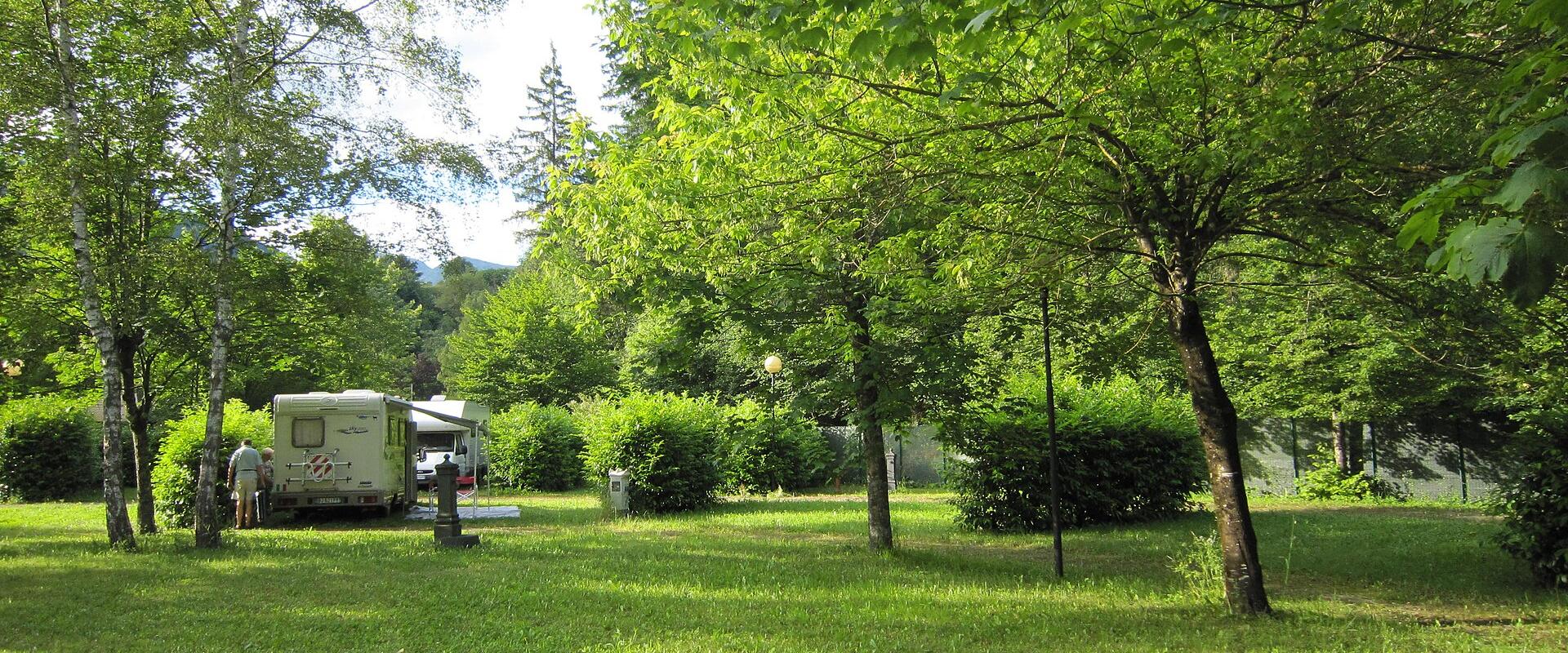
Italy enforces strict regulations regarding outdoor sleeping. Wild camping is generally prohibited nationwide. This ban applies to most public lands and private property. Sleeping in tents without permission is illegal. Authorities impose significant fines for violations. Coastal zones and protected natural parks are strictly off-limits. These areas include national parks and marine reserves. Enforcement is active during peak tourist seasons. You must use designated campsites for legal overnight stays. Official campsites, or "campeggi," provide necessary utilities. They ensure hygiene and environmental protection. Motorhome travelers should utilize "area di sosta." These are designated parking areas for overnight stays. They often lack full hookups but are legal. Always carry valid identification documents. Reservations are essential for popular campsites. Book well in advance for summer months. Failure to reserve may result in denied entry. Campsite fees vary by region and amenities. Prices typically range from ten to thirty euros. This covers basic pitch and access. Some sites charge extra for electricity. Always check specific site rules upon arrival. Respect local noise ordinances and waste disposal laws. Violations can lead to immediate expulsion. Legal camping ensures a safe and compliant experience. Prioritize established infrastructure over spontaneous wild setups. This approach aligns with Italian environmental laws. It also supports local tourism economies. Plan your route around certified camping locations. This guarantees access to water and sanitation. Avoid unmarked clearings in forested areas. These are often private or protected. Stick to official channels for booking. This minimizes legal risks significantly.
Camping Infrastructure and Standards
Italy offers diverse camping infrastructure across its regions. Sites range from basic mountain shelters to luxury resort campsites. The ACSI and FICC provide classification systems for these facilities. These ratings help campers assess quality and amenities accurately. Many locations feature modern sanitary blocks and electrical hookups. Glamping options have grown significantly in recent years. Travelers can choose from yurts, domes, or treehouses. These structures offer comfort without sacrificing the outdoor experience. Prices vary widely based on location and season. Coastal sites in Tuscany or Liguria often cost more. Mountain campsites in the Dolomites may offer lower rates. Basic sites in rural areas provide essential services only. Always review specific facilities before booking. Check for water access, waste disposal, and security measures. Some parks require advance reservations during peak summer months. Wild camping remains prohibited in most national parks. You must use designated campsites to comply with regulations. This ensures environmental protection and visitor safety. Italy’s strict laws mean unauthorized sleeping is not permitted. Campers should verify local rules for each specific area. Infrastructure quality generally meets high European standards. However, remote sites may have limited connectivity. Plan accordingly for areas with poor mobile signal. The variety ensures options for every budget and preference.
Regional Landscape and Climate
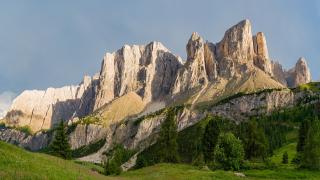
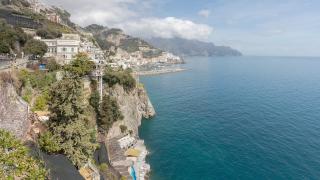
Italy’s camping landscape varies significantly by region. Northern alpine zones offer cool nights ideal for hiking. Temperatures drop sharply after sunset in the Alps. Campers must prepare for sudden weather changes. Central Italy features rolling hills and Mediterranean climates. This region blends culture with outdoor accommodation. Summer heat intensifies in inland areas. Southern coastal zones provide beach camping opportunities. Intense summer heat requires careful timing. Coastal sites often fill quickly during peak season. Seasonal variations dictate booking strategies nationwide. Northern sites open later in spring. Southern locations remain accessible into late autumn. Winter camping is limited to sheltered valleys. Booking months in advance is essential for July. August sees maximum occupancy across all regions. Campers should verify local park regulations. Wild camping remains prohibited in most natural parks. Specific regional rules apply to protected areas. Always check official sources before arrival. Climate data influences equipment choices significantly. Lightweight gear suits coastal Mediterranean conditions. Heavier insulation is necessary for alpine zones. Regional differences require flexible planning. Travelers must adapt to local conditions. Italy’s geography demands diverse preparation strategies. Proper research ensures a safe experience. Understanding regional climates prevents logistical issues. Plan itineraries around weather patterns. This approach maximizes comfort and safety.
Booking Strategies and Seasonality
Peak camping season in Italy runs from June through August. High demand requires booking campsites months in advance. Popular coastal and alpine locations fill quickly during July. You must reserve specific pitches early to secure space. Use dedicated platforms like CampingCard ACSI for broad access. These networks cover many Italian sites with discounted rates. Direct booking with campsite owners often yields better flexibility. It allows for direct communication regarding specific needs. Always review cancellation policies before confirming reservations. Italian sites may charge extra for electricity or water. These utility fees are rarely included in the base price. Budget for these additional costs when planning your trip. Shoulder seasons offer a viable alternative to summer crowds. May and September provide milder temperatures across most regions. Booking requirements are less strict during these months. You can often secure spots with shorter notice. This approach reduces stress and increases itinerary flexibility. Consider glamping options for a more comfortable experience. These sites blend outdoor living with hotel amenities. They remain popular year-round due to their comfort. Research local regulations for natural parks before traveling. Some protected areas restrict camping entirely. Always verify specific site rules prior to arrival. This ensures compliance with Italian environmental laws.
Essential Gear and Local Etiquette
Italy’s climate demands versatile gear. Alpine zones require insulated sleeping bags. Coastal areas need lightweight, breathable fabrics. Prepare for sudden rain in the Apennines. Pack sturdy hiking boots for rocky terrain. Respect strict quiet hours, typically 10 PM to 7 AM. Noise violations incur heavy fines in residential zones. Dispose of waste in designated bins only. Wild camping bans apply to most natural parks. Use official dump stations for chemical toilets. Never leave trash in forests or beaches. Carry a basic Italian phrasebook for essentials. Learn terms for water, food, and help. Ask permission before setting up near farms. Pet regulations vary by region. Dogs must remain leashed in protected areas. Some campsites charge extra for animal stays. Verify specific park rules before arrival. FICC-certified sites enforce these standards strictly. Bring cash for small village purchases. Credit cards are not always accepted. Respect local agricultural activities. Do not trespass on private olive groves. Follow marked trails to protect native flora. Silence ensures harmony with local residents. Proper etiquette guarantees a smooth stay. Always check current regulations online. Rules change frequently in protected zones. Compliance avoids legal complications during your trip.