Seasonal Climate Overview
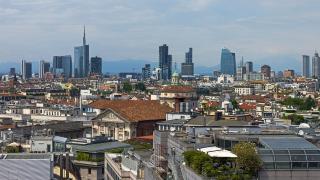
Italy’s climate varies significantly from north to south. The Alps create a continental climate in the north. Winters are cold with frequent snow. Summers are hot and humid in cities like Milan. The Apennines run through the peninsula, creating microclimates. Southern Italy and islands enjoy a Mediterranean climate. Winters are mild and wet. Summers are hot and dry. Coastal areas remain warmer year-round. Inland valleys experience greater temperature swings. Spring brings pleasant warmth across all regions. Temperatures rise steadily from March to May. Autumn offers stable weather before winter rains. October is often ideal for travel. Summer peaks in July and August. These months see high heat and crowds. Coastal regions face intense sun exposure. Northern lakes cool slightly due to elevation. Snow falls in the Dolomites from November. Ski season typically lasts until April. Rain increases in late autumn. November sees the highest precipitation levels. Spring blooms begin in February in the south. Northern flowers appear later in April. Summer droughts are common in the south. Water restrictions may apply in July. Winter fog settles in the Po Valley. This reduces visibility in December. Each region requires specific seasonal planning.
Spring Bloom & Crowds
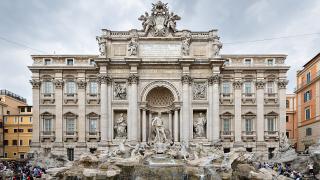
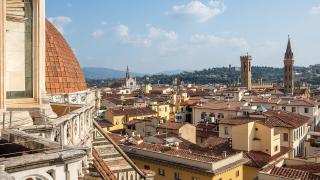
Spring offers ideal weather for Italian sightseeing. Temperatures rise gently across the peninsula. March remains cool in northern regions. April brings mild conditions to central areas. May warms significantly in southern destinations. This season suits outdoor exploration perfectly. Landscapes transform with vibrant floral displays. Olive groves and vineyards regain green hues. Blooming flowers enhance scenic rural routes. However, crowd levels increase sharply during Easter. The Easter holiday triggers major travel spikes. Domestic and international visitors flood cities. Rome, Florence, and Venice see peak attendance. Hotel prices surge during this period. Advance booking is essential for accommodation. Easter Sunday falls between late March and late April. This date shifts the crowd calendar annually. Expect longer queues at major monuments. Museums operate with extended but busy hours. Travelers should plan itineraries around these peaks. Late May offers a better balance. Crowds thin slightly after the holiday rush. Weather remains pleasant for extended sightseeing. This period avoids the summer heat. It also reduces the Easter congestion. Spring provides a strong all-around experience. The combination of mild weather and blooming scenery is unique. Visitors must manage expectations regarding crowds. Planning around the Easter dates is crucial. This strategy ensures a smoother Italian journey.
Summer Heat & Density
July and August mark peak tourist density in Italy. Major cities like Rome and Florence face extreme congestion. Booking accommodations months in advance is essential. Last-minute availability is scarce and expensive. Heat levels rise significantly in urban centers. Temperatures often exceed 30°C (86°F) in July. Humidity intensifies discomfort in coastal regions like Naples. Plan outdoor activities for early morning or late evening. Midday hours are best spent indoors or in shade. Museums and galleries offer air-conditioned refuge from the sun. Hydration is critical during peak afternoon heat. Carry water bottles at all times. Nightlife remains vibrant despite the high temperatures. Italians embrace the passeggiata, or evening stroll. Streets fill with locals and tourists alike. Restaurants and bars extend operating hours into the night. Dining late helps avoid the hottest part of the day. Coastal areas see a surge in domestic tourism. Beaches in Sardinia and Sicily become crowded. Parking near popular sites is difficult to secure. Use public transportation to navigate congested zones. Trains and buses run frequently but may be full. Avoid driving in historic city centers during summer. Traffic jams are common and frustrating. Prioritize flexibility in your daily itinerary. Heatwaves can occur unpredictably in August. Monitor local weather forecasts daily. Adjust plans if temperatures spike unexpectedly. Cultural events continue despite the heat. Many towns host infiorata flower festivals. These events draw large crowds to small squares. Arrive early to secure a viewing spot. Summer offers long daylight hours for sightseeing. Sunset occurs after 8:30 PM in the north. Use this extra time for evening exploration. Museums often have extended hours in July. Check specific opening times before visiting. Some sites close for feria in August. Verify schedules to avoid disappointment. The combination of heat and crowds requires strategic planning. Patience is necessary for a smooth experience. Focus on shaded routes and cool breaks. This approach mitigates the challenges of peak season.
Autumn Harvest & Mildness
September and October offer ideal conditions for visiting Italy. Temperatures drop to comfortable levels across the peninsula. Crowds thin significantly after the August peak. This reduction allows for better accommodation rates. Travelers find improved availability in major cities.
The autumn season marks the grape harvest in wine regions. Vineyards in Tuscany and Piedmont become active hubs. Local festivals celebrate the new wine production. These events provide authentic cultural experiences for visitors. Food festivals also highlight seasonal produce like truffles.
Weather remains generally pleasant but becomes unpredictable. Rainfall increases in northern regions during late October. Pack layers to adapt to changing conditions. Southern Italy retains warmth longer than the north.
Key benefits include:
- Lower prices for hotels and flights
- Access to exclusive harvest events
- Clearer skies for photography
- Authentic local culinary traditions
Plan visits to rural areas for harvest participation. Urban centers remain accessible with shorter queues. This season balances climate comfort with cultural depth. It suits travelers seeking value and authenticity.
Winter Festivals & Value
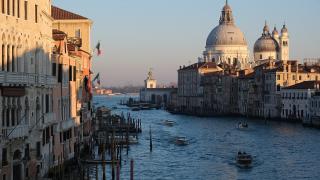
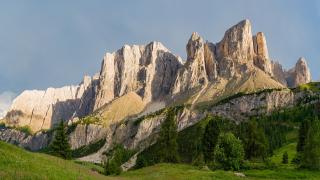
December offers distinct advantages for budget-conscious travelers. Hotel rates in major cities drop significantly after mid-December. Crowds thin considerably, allowing for easier access to museums. Rome and Florence see fewer visitors compared to summer months. This reduction enables flexible itineraries without advance booking. Christmas markets operate in northern Italian cities. Bolzano hosts renowned markets featuring local crafts and food. These events provide cultural immersion during the holiday season. New Year celebrations focus on traditional Italian customs. Cities like Milan and Turin host public concerts. Fireworks displays mark the transition into the new year. Northern regions offer excellent skiing opportunities. The Dolomites provide world-class slopes for winter sports. Resorts like Cortina d’Ampezzo attract international visitors. Equipment rentals and lift passes remain affordable in December. Early season snow conditions are generally reliable. Travelers should pack warm layers for alpine areas. Coastal regions remain mild but quiet. Venice offers a unique, serene winter atmosphere. Gondola rides are available with shorter wait times. This season balances festive cheer with practical savings. Planning ahead ensures optimal value for winter trips.
Booking & Logistics Strategy
Secure accommodations three to six months ahead for spring and autumn. Summer requires booking six to twelve months in advance. Train tickets open 90 days prior. High-speed Frecciarossa fares rise sharply near departure. Book regional trains early for rural routes. Pack layers for variable Alpine weather. Bring light clothing for coastal summer heat. Check holiday closures for Ferragosto in August. Many businesses close for two weeks. Museums often shut on Mondays. Verify opening hours before visiting. Pack comfortable walking shoes for cobblestone streets. Carry a power adapter for Type L plugs. Download offline maps for areas with poor signal. Book airport transfers in advance during peak season. Avoid driving in ZTL zones without permits. Use public transport in historic city centers. Train stations offer luggage storage services. Pack a reusable water bottle for fountains. Carry cash for small vendors and tips. Verify visa requirements based on nationality. Check passport validity for six months beyond travel dates. Review travel insurance coverage for medical emergencies. Confirm flight baggage allowances with specific airlines. Arrive at airports two hours early for domestic flights. Three hours for international departures. Check weather forecasts daily during your trip. Adjust itineraries based on sudden rain or heat waves. Respect local noise ordinances in residential areas. Dispose of trash in designated bins only.