







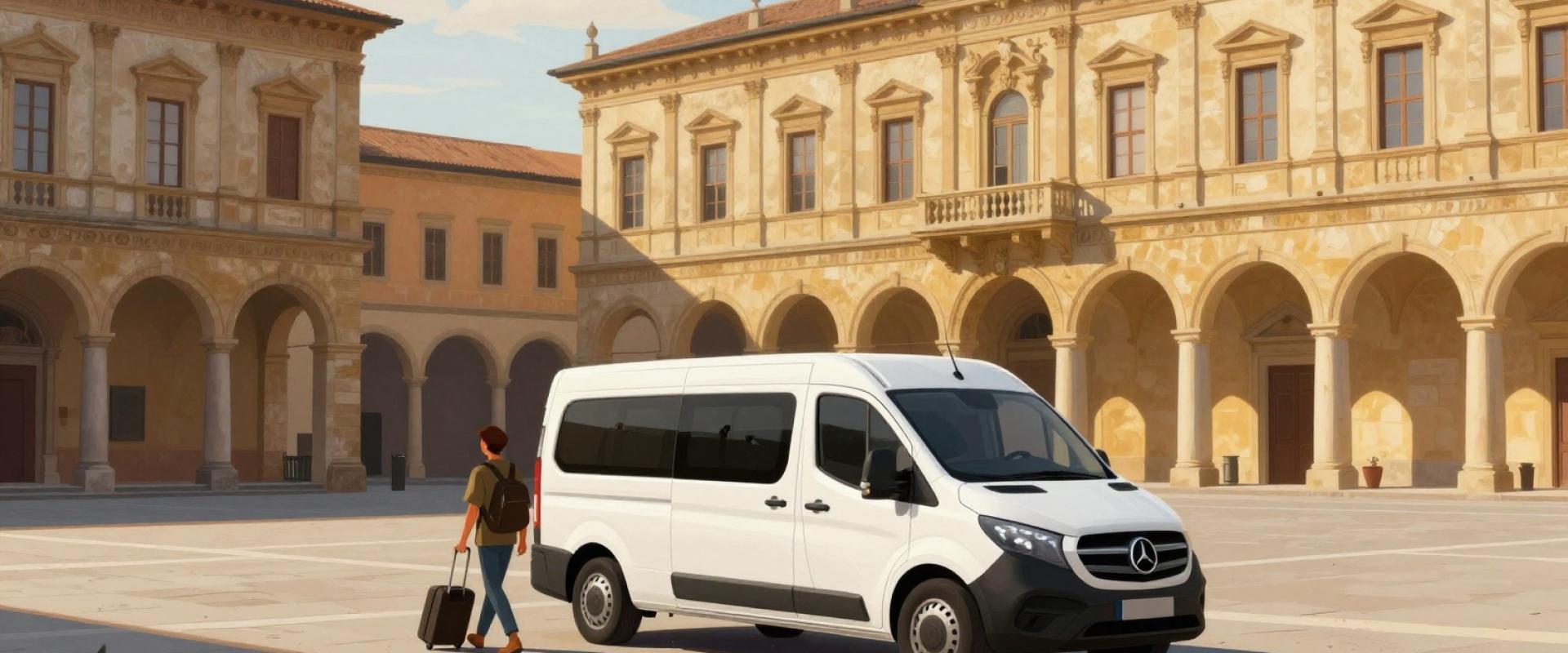
Immigration queues at Fiumicino and Malpensa expand significantly during peak summer months. Non-EU travelers must present valid passports and visas before proceeding. Keep these documents accessible to expedite the border control process. Baggage claim areas are located immediately after customs in most terminals. Report lost luggage to airline representatives at the dedicated service counters immediately. Customs declarations require specific forms for goods exceeding duty-free allowances. You must declare cash amounts over ten thousand euros. Domestic connections require a minimum buffer of ninety minutes. This accounts for potential security re-screening and terminal transfers. Inter-airport transfers in Milan or Rome demand additional transit time. Use official taxis or pre-booked shuttles for reliable ground transport. Avoid unlicensed drivers near arrival halls to ensure safety. Train links from Fiumicino and Malpensa offer efficient city access. These rail options bypass road traffic congestion effectively. Always verify terminal locations before booking ground transfers. Incorrect terminal assumptions cause significant delays in your itinerary.
Rail Connectivity Analysis
Rome Fiumicino offers the Leonardo Express train to Termini Station. This direct service takes approximately 32 minutes. Trains depart every 15 minutes throughout the day. A single ticket costs €14. You must validate the ticket before boarding. Milan Malpensa provides the Malpensa Express service. Two options exist: the Fast train and the Shuttle. The Fast train reaches Centrale Station in 40 minutes. The Shuttle takes 50 minutes with more stops. Tickets cost around €13 for the Fast option. Venice Marco Polo Airport lacks a direct rail link. Passengers must take the Alilaguna water bus to the city. This service connects to major vaporetto stops. Florence Peretola Airport has no direct train connection. Travelers must use shuttle buses to Santa Maria Novella station. Ticket validation is critical in Italy. Unvalidated tickets result in heavy fines. Purchase tickets at station kiosks or online. Always keep your ticket until you exit the station.
Shuttle and Bus Alternatives
Shuttle services provide flexible alternatives to rail for airport transfers in Italy. Major operators serve Rome Fiumicino and Milan Malpensa airports. These companies offer direct routes to city centers and hotels. FlixBus operates extensive networks connecting major Italian hubs. Their services often cost significantly less than train tickets. A bus ticket may cost under €10, compared to €14 for the Leonardo Express. This price difference benefits budget-conscious travelers. However, traffic heavily impacts travel times. Rome and Milan experience severe congestion during rush hours. Bus journeys can take twice as long as trains. You must account for potential delays in your schedule. Shuttles offer distinct advantages regarding luggage. Passengers can transport larger bags without strict weight limits. This flexibility suits families or those carrying sports equipment. Pre-booking is highly recommended for all shuttle services. Online reservations guarantee seat availability during peak seasons. You can book FlixBus tickets via their website or app. Confirm pickup locations carefully before arrival. Some shuttles stop at multiple hotels. This adds time but reduces the need for taxis. Always check current schedules, as routes change frequently. Reliable logistics planning ensures a smooth transition from airport to accommodation.
Private Transfers and Taxis
Rome and Milan enforce fixed-rate taxi tariffs for airport journeys. These regulated prices prevent unexpected costs for travelers. Licensed taxis display official meters and identification clearly. Avoid unlicensed drivers soliciting passengers inside terminals. They operate illegally and lack insurance coverage. Pre-booking private transfer services ensures reliable arrival logistics. Companies provide meet-and-greet services at designated zones. Drivers hold name signs near baggage claim areas. This method reduces stress after long flights. Private vehicles accommodate larger groups efficiently. Cost-effectiveness improves significantly for parties of four or more. Shared shuttles offer lower individual rates but longer travel times. Direct private transfers provide door-to-door convenience. Booking in advance secures vehicle availability during peak seasons. Italian regulations require all commercial transfers to display valid permits. Verify operator credentials before confirming reservations. Fixed taxi rates apply to specific city zones. Malpensa and Fiumicino have distinct pricing structures. Plan transfers according to these municipal regulations. Reliable logistics depend on using authorized providers only.
Budgeting and Cost Strategies
Calculate total expenses including last-mile transport to final hotels. Public transport offers the lowest fares for budget travelers in Italy. Avoid taxi surcharges from central hubs like Termini or Centrale. These fees significantly inflate the final bill. Multi-pass discounts reduce costs for frequent intercity travel. City cards often include airport rail access. Combine shuttle services with metro rides for savings. This hybrid approach balances cost and convenience. Plan transfers during off-peak hours to avoid premium rates. Verify baggage fees with private shuttle operators. Public trains rarely charge extra for standard luggage. Always confirm fixed taxi rates before entering the vehicle. Unexpected tolls may apply on certain highway routes. Budget travelers should prioritize regional trains over private cars. These options provide reliable, low-cost connectivity across major Italian cities.