


Defining the Italian Agriturismo
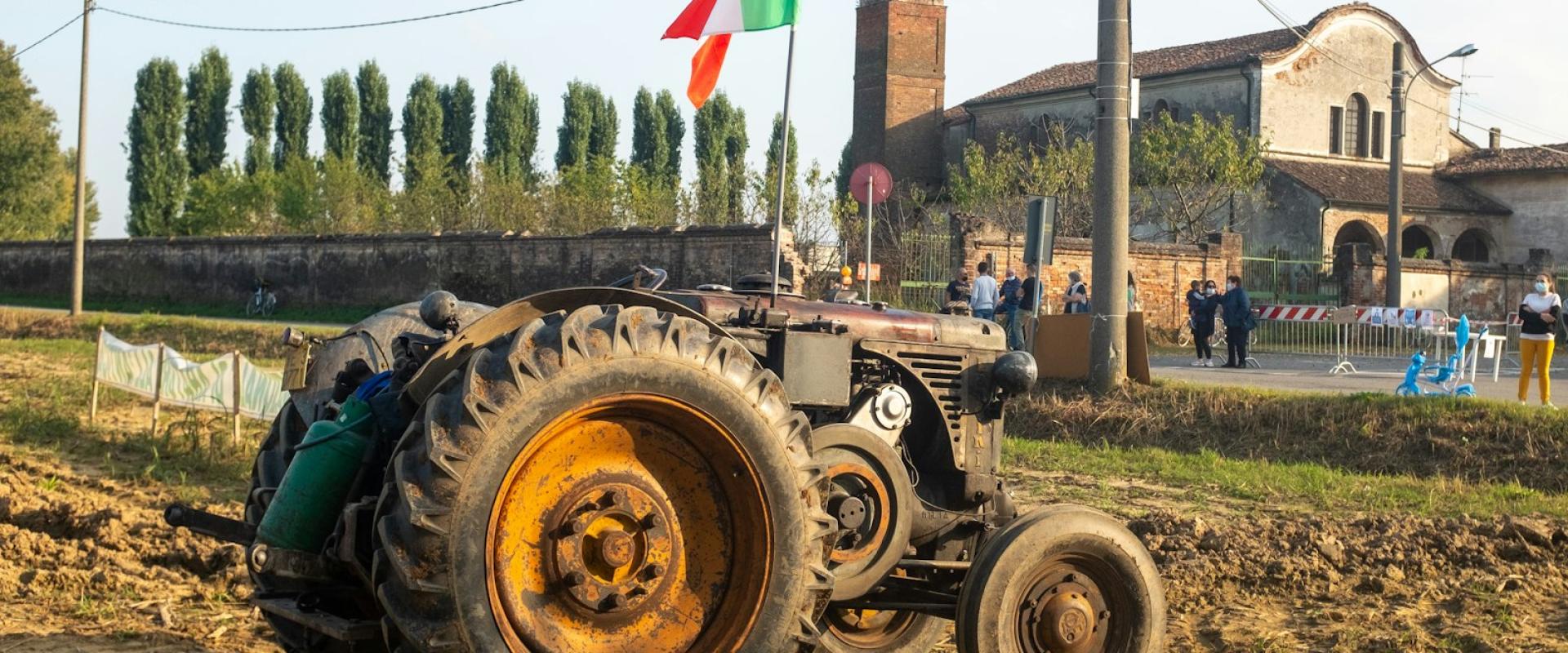
An agriturismo is a legally regulated Italian farm stay. It originated in the mid-20th century. The state officially recognized this model in the 1980s. This recognition aimed to support struggling rural communities. To qualify, the property must remain a working farm. Owners must actively produce food, raise animals, or cultivate crops. Earnings from guest stays are legally required to be reinvested into agricultural activities. This rule distinguishes agriturismos from standard country hotels. You cannot simply rent out a rural villa. The primary business must always be farming. Accommodations range from simple rooms to luxurious villas. However, the core experience emphasizes a connection to the land. Guests typically enjoy homemade, farm-to-table meals. Local wine and authentic hospitality are standard features. These stays offer a slower, grounded experience. They attract travelers seeking authenticity away from tourist crowds. The legal framework ensures the rural economy remains viable. It prevents the commodification of countryside living. This structure preserves traditional Italian agricultural practices. It allows visitors to witness real farming operations. The model balances tourism revenue with agricultural production. This balance is crucial for the survival of small farms. It keeps the land productive and inhabited. The definition remains strict across all Italian regions. Compliance is monitored to maintain the integrity of the sector.
Regional Variations and Cuisine
Regional agriculture defines the agriturismo experience. Tuscany focuses heavily on wine production. Vineyards surround many working farms. Piedmont specializes in white truffles. These delicacies appear in seasonal menus. Geography dictates local crop varieties. Northern regions favor rice and dairy. Southern areas cultivate olives and citrus. Farm-to-table dining remains a universal standard. Meals utilize ingredients harvested that morning. This practice ensures maximum freshness. Guests eat what the land produces. The connection between soil and plate is direct. No imported ingredients replace local staples. Wine lists feature estate-grown varietals. Cheese selections come from on-site animals. Bread is baked from house-milled flour. This model supports rural communities legally. Earnings must reinvest into agricultural activities. The experience offers a slower pace. Travelers avoid crowded tourist centers. Authentic hospitality replaces commercial service. You engage directly with the land. The food reflects specific terroir. Each region offers distinct flavors. Tuscany provides robust red wines. Piedmont serves earthy truffle dishes. The cuisine changes with the season. Spring brings fresh herbs and greens. Autumn highlights mushrooms and game. Winter features preserved meats and stews. This variety keeps the menu dynamic. Guests learn about local farming. They taste the difference in quality. The agriturismo model preserves tradition. It connects modern travelers to history. Every meal tells a regional story. The focus remains on sustainability. Waste is minimized through careful planning. Ingredients are used completely. This approach benefits both host and guest. The result is a grounded experience. You leave with full stomachs. You also gain cultural knowledge. The food is the primary attraction. It reflects the local environment. This connection cannot be replicated elsewhere. The agriturismo offers genuine authenticity. It is not a staged performance. The food is real and honest. This honesty defines the Italian model.
Renting a car is essential for accessing most Italian agriturismos. Public transportation in rural areas is often limited or nonexistent. You cannot rely on trains or buses for reliable daily travel. Advance booking is critical for securing a spot. These accommodations fill quickly during peak tourist seasons. Verify specific access routes before arrival. Many farms are located on narrow, unpaved country roads. Confirm if your vehicle can navigate these paths. Check-in procedures vary significantly by property. Some hosts require specific arrival times for meal preparation. Others may not be present during standard hotel hours. Clarify these details directly with the agriturismo owner. Ensure you understand the exact location coordinates. GPS signals can be weak in remote valleys. Plan your itinerary around the farm’s operational hours. Do not assume standard urban logistics apply. Rural Italian logistics require patience and precise planning. Always confirm your transportation method in advance. This ensures a smooth arrival experience.
Etiquette and Cultural Norms
Respect the host’s private life and working farm areas. Agriturismos are active agricultural businesses. Guests must not interfere with daily farming operations. Maintain silence during early morning and late evening hours. Rural Italian communities value quiet and rest. Arrive punctually for all scheduled meals. Meal times are fixed and rarely flexible. Late arrivals disrupt the kitchen workflow significantly. Engage politely with hosts about local practices. Show genuine interest in the farm’s produce. Ask questions about traditional cooking methods. This interest is welcomed and appreciated. Adhere strictly to the slower rural pace. Do not rush through the experience. The agriturismo model emphasizes connection to the land. Earnings support agricultural activities, not just tourism. Treat the property as a working home. Follow specific house rules regarding waste. Separate recycling is mandatory in most regions. Use provided bins correctly. Noise levels should remain low at all times. This preserves the authentic, grounded atmosphere. Guests seeking luxury should manage expectations. The focus is on simplicity and authenticity. Polite engagement bridges the cultural gap. Respect ensures a harmonious stay for everyone involved.
Booking Strategies and Value
Seasonal pricing varies significantly across Italy. High summer months command premium rates. Booking directly with the farm often yields better value. Direct bookings may include complimentary wine tastings. Online platforms offer convenience but charge service fees. Compare total costs before committing. Certified agriturismos must be working farms. Earnings support agricultural activities. This legal status ensures authentic experiences. Meal packages provide substantial value. Farm-to-table dinners use on-site produce. Homemade meals reflect regional traditions. Certified status guarantees quality standards. Guests enjoy genuine hospitality. Prices include access to local products. Booking early secures preferred rooms. Rural locations require advance planning. Direct contact allows for custom requests. Online reviews verify service quality. Value lies in the agricultural connection. You support local rural communities. This model preserves Italian heritage. Choose certified properties for authenticity. Verify the farm’s active status. This ensures a true agriturismo experience. Prices reflect the rural setting. Luxury options exist but cost more. Budget travelers find affordable simple rooms. All options emphasize local food. This defines the Italian agriturismo value.