Practical Information
The optimal time to visit Umbria and Marche is during the spring (April to June) or autumn (September to October). These seasons offer mild temperatures ideal for hiking and sightseeing, avoiding the intense heat and crowds of July and August. Spring brings blooming landscapes, while autumn offers harvest festivals and truffle hunting opportunities. Winter is quieter but can be cold and rainy, particularly in the mountainous areas like the Sibillini Mountains.
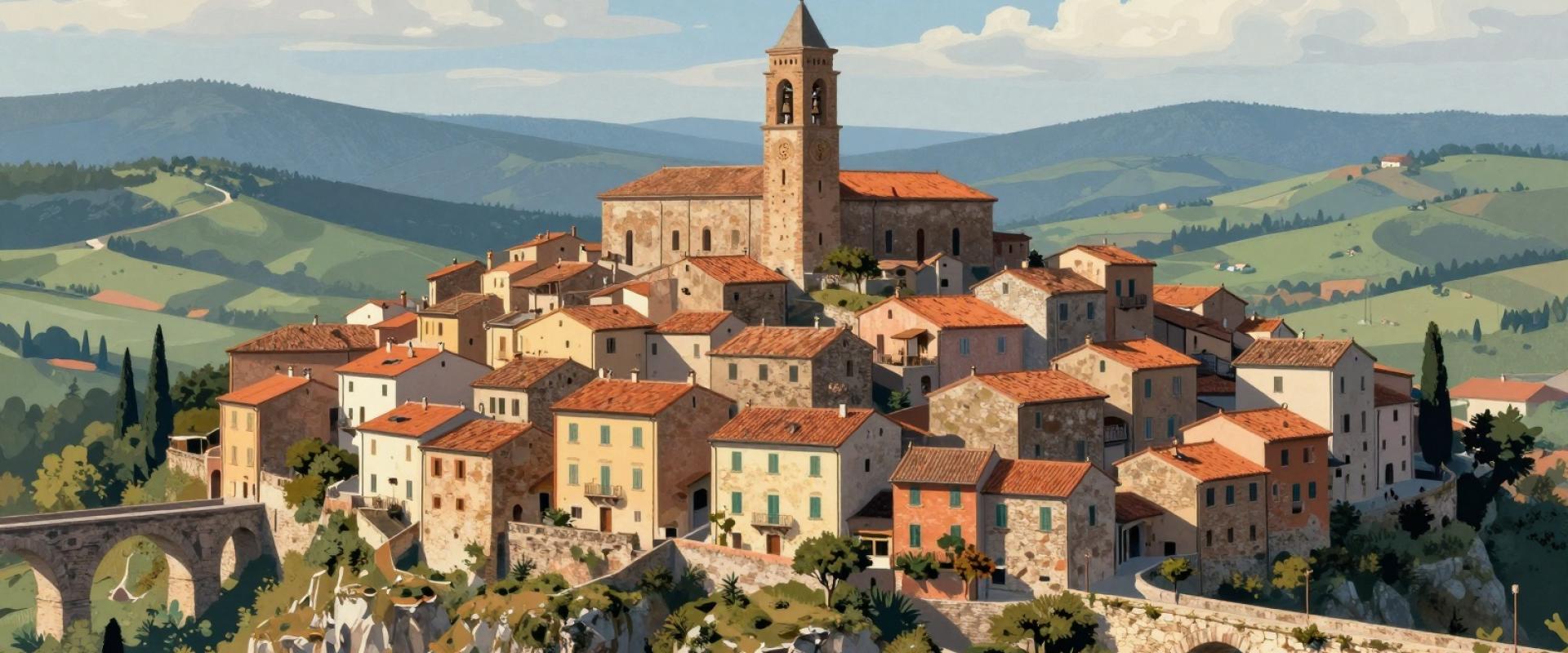
Transportation is best managed by renting a car. While major hubs like Perugia and Ancona are accessible by train, the region’s true charm lies in its remote hilltop towns, which are poorly served by public transit. A car is essential for flexible exploration of the countryside, vineyards, and smaller villages like Assisi, Gubbio, and Urbino. Public buses exist but are infrequent and may not align with tourist schedules.
For accommodation, consider staying in a central hub like Assisi or Perugia for the first few nights to explore the cultural heartland, then moving to a rural agriturismo in the Marche or Umbrian countryside for a more immersive experience. Agriturismos offer authentic local cuisine and a chance to experience rural life. In the cities, boutique hotels in historic centers provide convenience and character.
Budget-wise, costs vary by season and accommodation type. Mid-range options, including boutique hotels and agriturismos, typically range from €100 to €200 per night. Meals at local trattorias are affordable, with a main course and wine costing around €15–€25. Entrance fees for major sites like the Basilica of San Francesco are modest, but budget extra for wine tastings, guided tours, and souvenirs.
Pack layers, as weather can change quickly, especially in the mountains. Comfortable walking shoes are essential for cobblestone streets and hilltop towns. Bring a light jacket for cooler evenings and a rain jacket, especially in spring and autumn. Sunscreen, a hat, and sunglasses are recommended for sunny days. Don’t forget a reusable water bottle, as tap water is generally safe to drink in Italy.
Key tips include booking accommodation and popular attractions in advance, especially during peak season. Respect local customs, such as dressing modestly when visiting churches. Try local specialties like truffle pasta, sagrantino wine, and black truffles. Bargaining is not common in restaurants or shops, so prices are generally fixed. Always carry some cash for small purchases, tips, and places that do not accept credit cards.