Practical Information
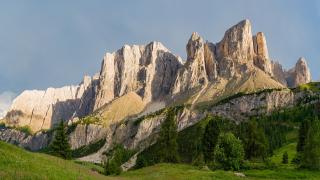
The optimal time to visit Friuli-Venezia Giulia is during the shoulder seasons of spring (April to June) and autumn (September to October). These periods offer mild weather ideal for exploring the region’s diverse landscapes, which range from the Julian Alps in the north to the Adriatic coast. Summer months can be hot and crowded, particularly in coastal towns like Trieste, while winter is best reserved for those seeking alpine activities or quiet cultural immersion.
Getting there is straightforward, with Trieste’s airport offering direct flights from major European hubs, including a notable route from Rotterdam. For those arriving by train, Trieste and Udine are well-connected to major Italian cities like Venice and Milan. Once in the region, public transport is reliable for connecting major towns, but renting a car is highly recommended. The region’s topography, featuring the Alpine foothills in the north and the coastal plain in the south, is best explored by private vehicle to fully access remote villages, medieval castles, and the intricate wine routes of the Colli Orientali.
For accommodation, staying in Trieste offers urban convenience and easy access to the historic center, while staying in the hinterland, such as near Cividale del Friuli or in the Colli, provides a more authentic, rural experience. Areas like Muggia and Monfalcone offer a blend of coastal access and local charm. It is advisable to book accommodation in advance, especially during the summer high season, as options in popular coastal areas fill quickly.
Budget considerations should account for the fact that while dining is affordable, premium wine tastings and guided tours in the renowned wine regions can add to the cost. Travelers should budget for entrance fees to historic castles and museums, as well as transportation costs if renting a car. It is recommended to carry some cash for smaller establishments, markets, and rural agritourism sites that may not accept credit cards.
When packing, bring comfortable walking shoes for exploring cobblestone streets and uneven terrain in historic sites. Layered clothing is essential due to the region’s variable climate, which can shift from sunny and warm to cool and breezy, especially in the Alpine foothills. A light jacket or sweater is recommended for evenings, even in summer. Additionally, carrying a reusable water bottle is practical, as many public fountains provide fresh, potable water.
Important tips for travelers include learning a few basic Italian phrases, as English is not universally spoken in rural areas. Respecting local customs, such as dressing modestly when visiting churches, is appreciated. Finally, embracing the local pace of life, particularly during the midday *riposo* (rest period) when many shops close, is key to an authentic experience. Engaging with locals, who are often proud of their unique cultural heritage blending Italian, Slavic, and Austrian influences, can greatly enhance the travel experience.