

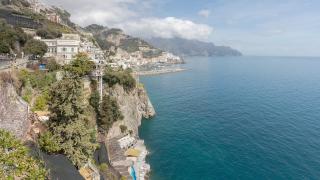
Campania and Amalfi Coast Coastal Adventure
AI-generated illustration β€’ AI-generated illustration

Campania and Amalfi Coast Coastal Adventure

5-day tour of Campania's coastal towns and historic sites

5 days β€’ Moderate difficulty β€’ Est. €300

Practical Information

The optimal time to visit the Amalfi Coast is during the shoulder seasons of April to May or September to October. During these months, the weather is pleasantly warm, and the crowds are significantly smaller than in the peak summer months of July and August. While summer offers the best weather for swimming, it also brings intense heat, higher prices, and severe congestion on the narrow, winding roads. Visiting in the off-season or early/late spring ensures a more relaxed experience, though travelers should note that some seasonal businesses may close in the late autumn or winter months. Transportation requires careful planning. The most efficient way to reach the region is by taking a train to Naples or Sorrento, as direct access to coastal towns is limited. From Sorrento, which serves as an ideal hub due to its train connectivity, travelers can use the SITA bus service to reach towns like Positano and Amalfi. However, be aware that the coastal roads are narrow, winding, and often congested. Public buses can be crowded and slow, and sea travel between towns is subject to weather conditions, with potential for sea sickness. For maximum flexibility, renting a car is an option, but parking is extremely difficult and expensive in the main tourist hubs. Accommodation is best secured in Sorrento, Positano, or Amalfi, depending on your budget and preference. Sorrento is generally more affordable and offers a wider range of accommodation options, while Positano is more upscale and expensive. It is crucial to book well in advance, especially during peak season, as availability is limited. Budget considerations are significant, as the Amalfi Coast is one of Italy’s more expensive destinations. Costs for accommodation, dining, and transportation are higher than in other parts of Italy. Budget travelers should plan for higher costs for meals and transport, and consider staying in less central areas to reduce expenses. When packing, bring comfortable, non-slip shoes for navigating the steep, uneven cobblestone streets, which are common in the coastal towns. Lightweight, breathable clothing is essential for the warm climate, along with sun protection such as hats and sunglasses. Additionally, pack modest clothing for visiting churches and religious sites, which may require covered shoulders and knees.

Book your stay

More Itineraries