







Vico Equense
Clifftop town on Sorrentine Peninsula with mineral springs and sea views
Vico Equense’s history is deeply rooted in its ancient origins, with evidence of Roman settlements in the area. The name is believed to derive from the Latin 'Vicus Aequensis,' and is also linked to the nearby coastal settlement of Aequa. In Roman times the area was a popular retreat for wealthy Romans because of its mild climate and views. In the Middle Ages the town developed around its position on the peninsula, serving as a defensive point against pirate attacks, and under the Angevin kings it became the seat of a bishopric. The 18th and 19th centuries saw the development of its mineral springs, which attracted visitors seeking therapeutic benefits. The town also became known for lemon cultivation, particularly the 'Limone di Vico' variety, which is still a local speciality. Today Vico Equense preserves its historic centre, with narrow streets, historic villas, and churches that reflect its layered past as a Roman retreat and spa town.
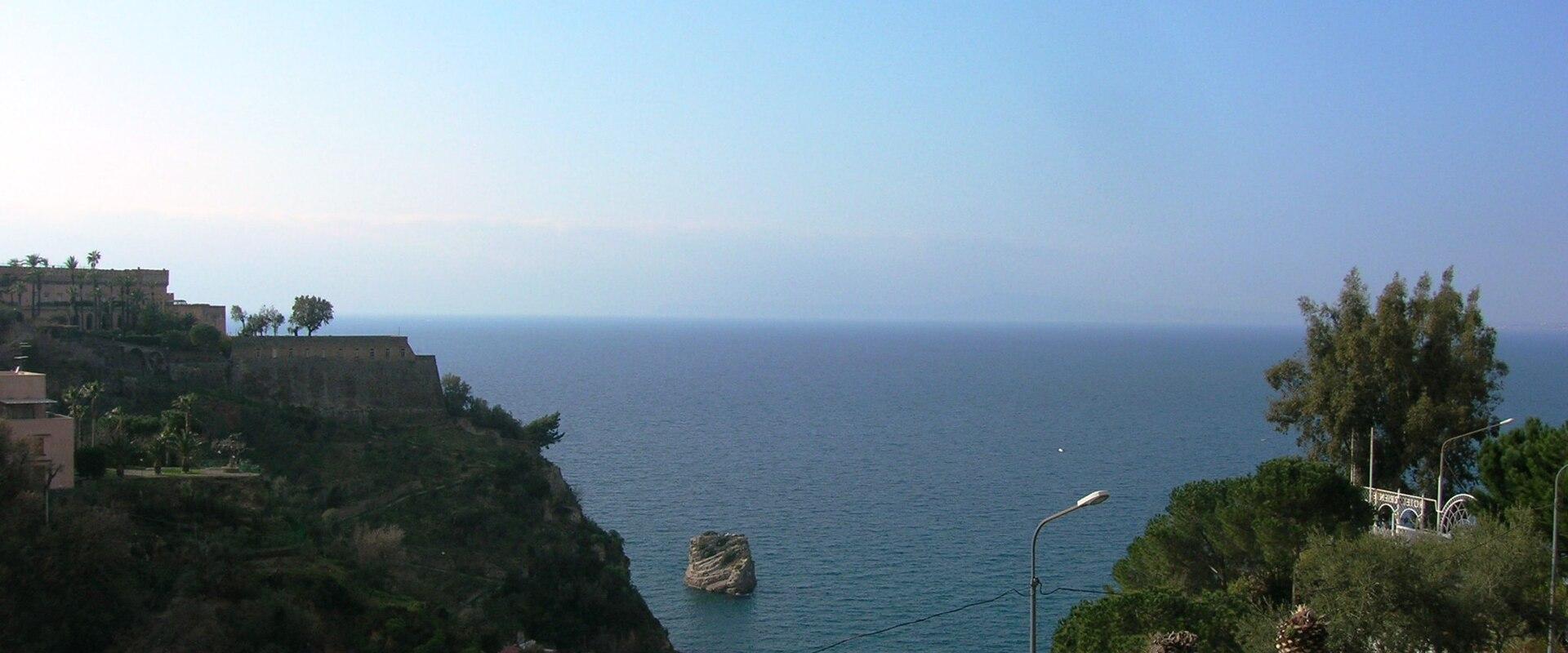
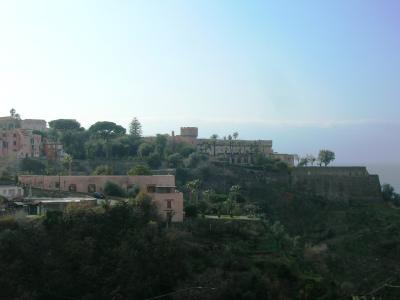
The main attractions are centred on the natural beauty and the historic sites. The Castello di Vico Equense, more commonly called Castello Giusso, is a historic fortress at the edge of the cliff, and its terrace gives views over the gulf. The spring baths of Scrajo, which offered therapeutic treatments and sea views, are part of the town's spa history. The historic centre has the Church of Santa Maria delle Grazie and the Palazzo di Città, the town hall. The 'Sentiero degli Dei' (Path of the Gods), a famous hiking trail, starts at Bomerano on the Amalfi side of the peninsula, a long way from the town, and offers views of the coastline. The Sanctuary of San Michele Arcangelo on Monte Faito, a mountain above the town that is reached by road (the cable car from Castellammare has been closed since an accident in April 2025), is a Catholic sanctuary with walks in beech woods. The town is also known for its lemon groves, where visitors can learn about the cultivation of 'Limone di Vico' and taste products such as limoncello. The nearby beaches of Marina di Vico Equense provide access to the sea, with clear water and shingle and sandy shores.
Activities in Vico Equense include exploring the historic centre, visiting the springs, and enjoying the local cuisine. The town is known for traditional Campanian dishes, including fresh seafood, pasta with lemon sauce, and wines such as Falanghina, and for the local provolone cheese and for pizza sold by the metre. Visitors can take guided tours to learn about the history of the mineral springs and the lemon industry. The surrounding area offers hiking, cycling, and visits to other towns of the Sorrentine Peninsula such as Sorrento and Positano. Vico Equense also hosts festivals and events through the year, including the Feast of Santa Maria delle Grazie. Shopping includes local ceramics, textiles, and food products. For those interested in history, guided tours explore the Roman and medieval heritage of the town.
Getting to Vico Equense is convenient by road and rail. The town is reached by car from Naples, about 30 kilometres away, via the SS163 road. Vico Equense has a railway station on the Circumvesuviana line, with frequent services from Naples and Sorrento. The nearest airport is Naples International Airport, about 35 kilometres away.
The best time to visit Vico Equense is from April to June or September to October, when the weather is warm and pleasant, ideal for outdoor activities and sightseeing. July and August are peak tourist months, with higher temperatures and larger crowds. Winter is mild but can be windy. Despite the seasonal variations, Vico Equense’s rich history and natural beauty make it a rewarding destination year-round.
Best time to visit
Visit between April and June or September and October for warm weather and fewer crowds.
What to see in Vico Equense
Our picks first.
Vico Equense by interest
The same sights, grouped by what you came for.
Planning a visit to Vico Equense
Good to know
- Currency
- EUR
- Language
- Italian
Quick Facts
Book your stay
Questions people ask
More places in Campania and Amalfi Coast
Campania and Amalfi Coast
Naples
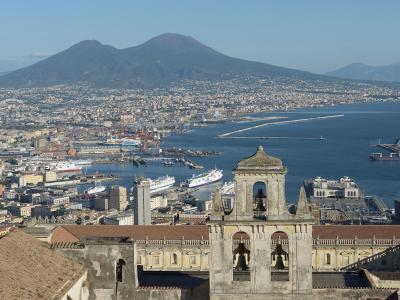
Vibrant Neapolitan city with UNESCO heritage, pizza origins, and Vesuvius views
Campania and Amalfi Coast
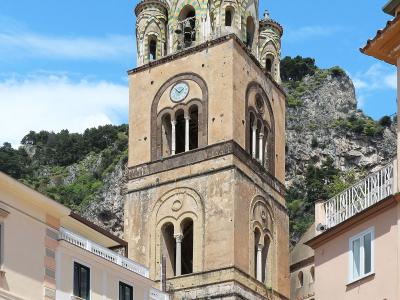
Amalfi
Historic maritime republic on the Amalfi Coast with dramatic cliffs
Campania and Amalfi Coast
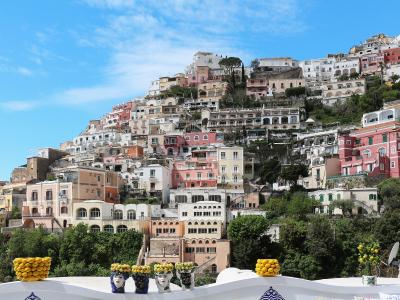
Positano
Iconic Amalfi Coast village with cascading pastel buildings and cliffs
Campania and Amalfi Coast
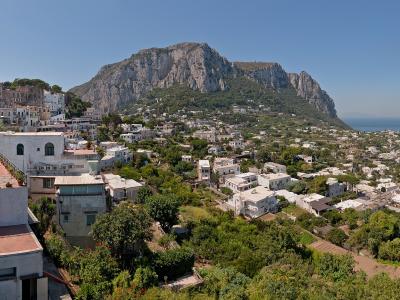
Capri
Iconic Italian island with Blue Grotto, dramatic cliffs, and luxury resorts