







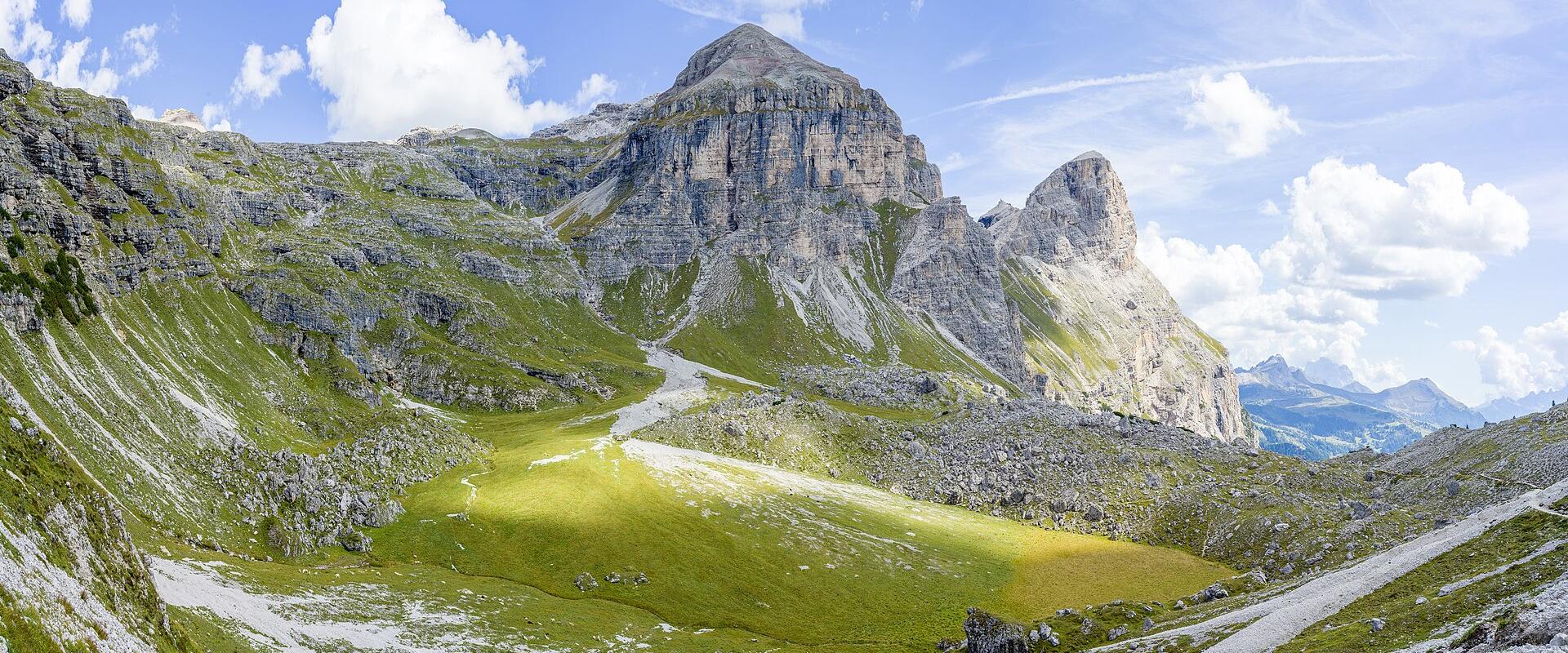
- Where
- Ortisei, Trentino-Alto Adige/South Tyrol
- Directions
- Directions
Sassongher is a summit of 2,665 metres in the Puez Group of the Dolomites, in the Puez-Geisler Nature Park, in the province of South Tyrol, in northern Italy, and it is among the most recognisable peaks of the Alta Badia region. It rises about two kilometres north-north-west of the village of Corvara, in the valley next to the Val Gardena, so that it is part of the greater landscape of the Dolomites, a UNESCO World Heritage site, even though it is some distance from Ortisei by road, over the Passo Gardena, and its profile is a landmark of the nearby villages of Corvara and Colfosco. Its steep, pale walls rise above green meadows and woods, and the rock face shines pink and orange in the evening light, in the effect known as enrosadira. The mountain has the shape of a tower or a spire, with a narrow summit crest, and it dominates the scene from all around.
The name comes from the Ladin language of the valleys, in which Sass means rock or stone, and the second part, ongher, is believed to mean long or large, so that the name might be understood as the long rock or the big rock. The mountain is made of Triassic dolomite, the pale rock that gives the Dolomites their name and which was formed in the shallow tropical seas of about 220 million years ago, from the remains of coral reefs and other organisms. The climate here is alpine, with long, cold winters, abundant snow and short, mild summers, and the vegetation changes with the altitude from spruce forest to alpine meadow and bare rock.
The first ascent of the summit was made in 1900 by Joseph Kostner, a local man, in the early days of Dolomite climbing, when the region’s peaks were being explored by climbers from across Europe. Today, the peak can be climbed by walkers and climbers by several routes, which vary in difficulty. The easier approach is a hiking path that climbs from the Corvara area through woods and scree to the base of the rock, and the final section requires scrambling or a secured route on the rock, so it is only for people with mountain experience, good fitness and the right equipment. The weather in the mountains can change quickly, with storms in summer afternoons, so start early and check the forecast.
As a natural landmark, the mountain has no opening hours or admission fees, and it can be approached at any time, though the high routes are mostly free of snow only from early summer to early autumn. For visitors who do not want to climb, the best way to enjoy it is to look at it from the meadows and from the paths in the valley, or from the lifts. Ortisei, in Val Gardena, offers a number of other attractions, such as the nearby Seceda ridge, among them the Alpe di Siusi (Seiser Alm), the Saslong ski slope, the Val Gardena Museum, the Ortisei main square (Piazza San Vigilio), the St. Ulrich Church (Pfarrkirche St. Ulrich) and the St. Vigilius Church Bell Tower. The mountain suits walkers, climbers and photographers who appreciate the Dolomites.
Categories
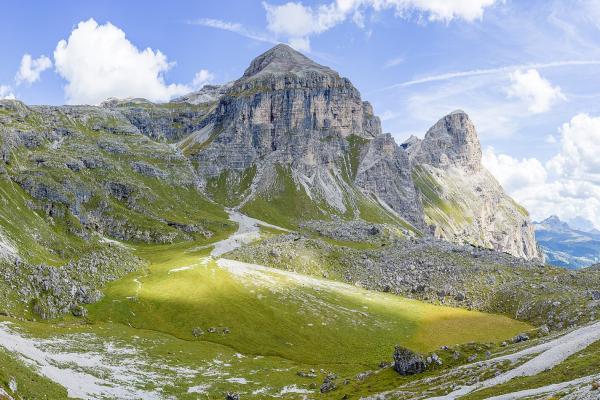
More photos coming soon
Nearby Attractions
Other places to visit in Ortisei
Alpe di Siusi (Seiser Alm)
Europe's largest high-alpine meadow in the Dolomites
Activities & Wellness · Natural Wonders
Ortisei Main Square (Piazza San Vigilio)
Pedestrian square in Val Gardena's Ladin-speaking heart
Local Cuisine · Scenic Viewpoints
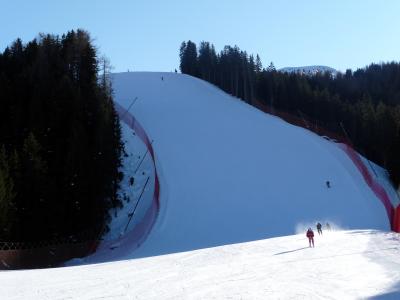
Saslong Ski Slope
Legendary World Cup downhill course in the Dolomites
Activities & Wellness · Natural Wonders
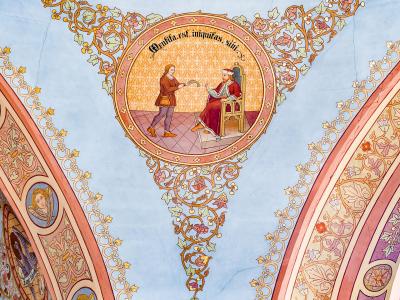
St. Ulrich Church (Pfarrkirche St. Ulrich)
Late Baroque church with onion dome and frescoes
Architectural Monuments · Historic Churches
Questions people ask
Quick Facts
Best Time to Visit
Visit December to March for skiing or June to September for hiking and mild weather.