







- Hours
- Open to the public since May 2014.
- Where
- Cagliari, Sardinia
- Directions
- Directions
The Necropolis of Tuvixeddu rises above the Sant'Avendrace district on the western side of Cagliari, a limestone hill riddled with tombs, and it is usually described as the largest Punic necropolis in the Mediterranean. The city beneath it was the Phoenician and Punic settlement later called Karales by the Romans, and for several centuries its dead were buried here, in a cemetery that grew across the slope from around the sixth century BC down to the third.
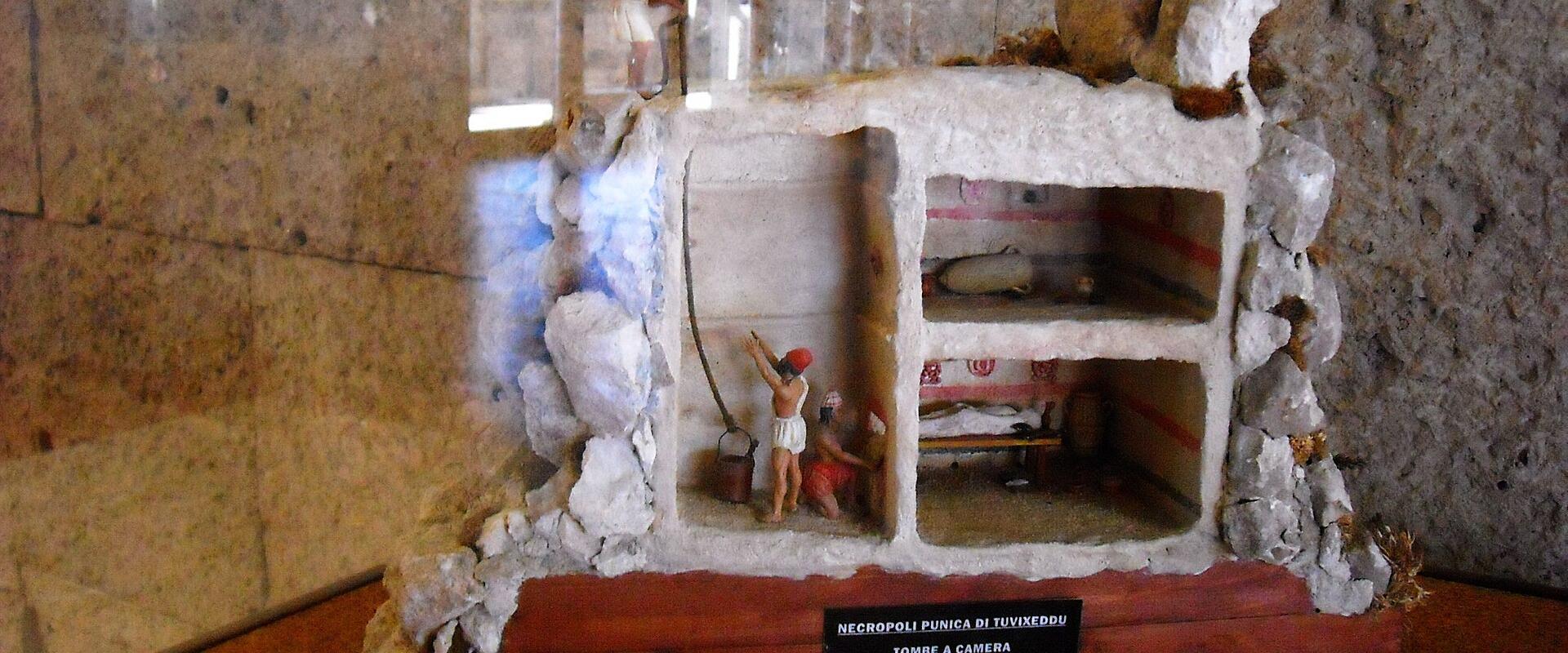
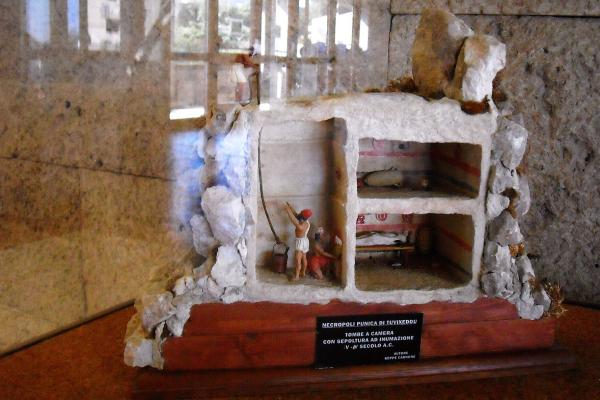
The characteristic burial is the well tomb. A narrow vertical shaft was cut into the soft rock, often several metres deep, and at the bottom a side opening led into a small chamber hewn out of the stone. The shaft was sealed after the burial, so the chambers stayed hidden for a very long time. Hundreds of these shafts and chambers have been identified across the hill, and the hollowed rock surface gives the site a strange, honeycombed look, especially in low evening light.
A handful of tombs are famous for their painted decoration, which is rare in the Punic world. The Tomb of the Uraeus, the Tomb of the Fighter and the Tomb of the Wheel are the names visitors hear most. Their walls carry plant motifs and symbols, including the cobra-like uraeus that gives the first its name, evidence of the strong Egyptian influence on Carthaginian art. Access to the interiors is controlled, so what you see depends on the day and on any guided arrangements, and it is worth finding out in advance.
Later generations did not leave the hill alone. While the Punic tombs are the draw, a Roman section of burials was added on the slopes, and in recent decades the area was a battleground between quarrying, building plans and heritage protection, which explains why the surrounding park feels like a hard-won survivor in the midst of apartment blocks. Walking the paths gives long views over Cagliari, its lagoon and the sea.
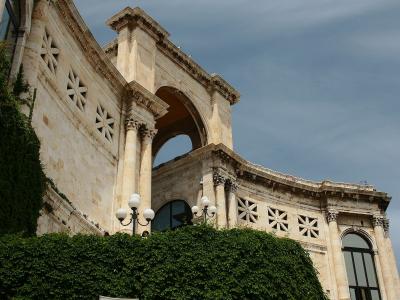
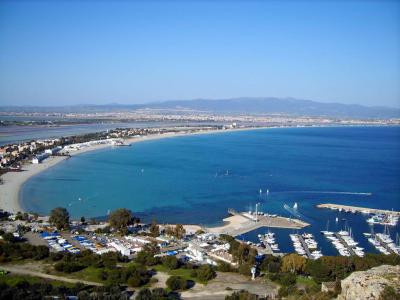
Nearby, the Bastione di Saint Remy and the city's old quarter on the Castello hill tell the story of later Cagliari, while Poetto Beach is the place to wash off the dust. The necropolis suits archaeology enthusiasts, anyone curious about the Phoenicians and Carthaginians in Sardinia, and those who like their history outdoors. Bring water, sun protection and shoes with a decent grip, because the paths are uneven and have little shade.
Categories
More photos coming soon
Opening Hours
- Open
- Open to the public since May 2014.
Hours and prices change, especially out of season. Check with the venue before you go.
Nearby Attractions
Other places to visit in Cagliari
Questions people ask
Quick Facts
Best Time to Visit
Visit between May and June or September and October for warm weather and fewer crowds.