







- Where
- Courmayeur, Piedmont and Aosta Valley
- Directions
- Directions
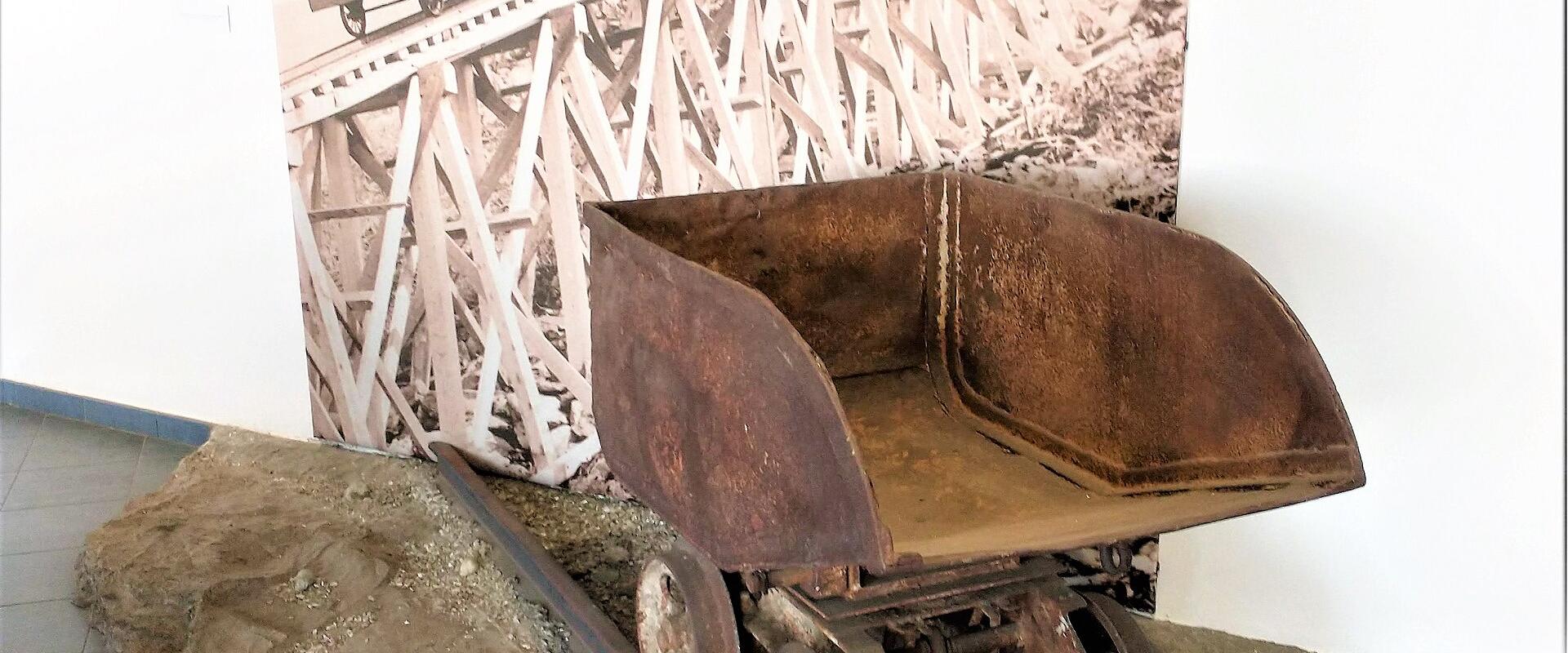
The Museo della Montagna of Courmayeur is represented above all by the Museo Alpino Duca degli Abruzzi, the Alpine Museum of the Duke of the Abruzzi, which is housed in the Casa delle Guide, the Guides’ House, at Strada Villair 2, in the centre of the resort in the Aosta Valley. Courmayeur lies at the foot of Mont Blanc, on the Italian side of the massif, and it is one of the cradles of mountaineering. The museum was founded by the famous explorer and mountaineer Luigi Amedeo di Savoia-Aosta, Duke of the Abruzzi, who loved the area, and it was inaugurated in 1929. The Duke was one of the great explorers of his time, a member of the royal family who made the first ascent of Mount Saint Elias in Alaska, led an expedition to the Arctic, attempted K2 in 1909, and climbed in the Ruwenzori mountains in Africa, and his name gives the museum a link with the golden age of exploration.
The museum is owned and run by the Società delle Guide Alpine di Courmayeur, the Society of the Alpine Guides of Courmayeur, which was founded in the 19th century and is regarded as the oldest association of mountain guides in Italy. It is a fitting home for a collection about the history of the guiding profession. The displays follow the story from its origins to the present day, with historic photographs, documents, equipment and personal objects, some of which show the ropes, ice axes, nailed boots and clothes used by the pioneers. The ground floor focuses on the early days of guiding, particularly the guides à mulets, the mule guides, local men who accompanied the first British travellers and members of the House of Savoy on their journeys through the mountains, leading mules over the passes and later guiding on the peaks.
The story of Mont Blanc is the story of these guides. In the 19th century, wealthy visitors from Britain, who came to the Alps for adventure and for the fashion for the sublime, hired local men as guides and porters, and the families of Courmayeur produced generations of famous guides, who made first ascents and rescued climbers in danger. Queen Margherita, the wife of King Umberto I, was an enthusiast of the mountains and of Courmayeur, and the royal presence helped to make the place fashionable. The museum recalls these episodes, and the later development of alpine sport, from the first routes to the technical climbs of the 20th century, and it shows how a profession arose from the mountain culture.
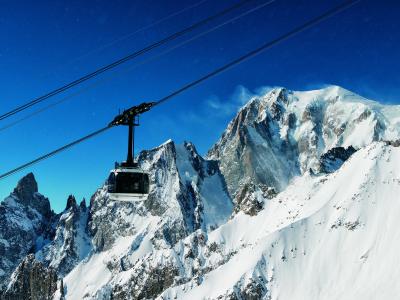
A first floor displays photographs by Vittorio Sella from the early 20th century. A separate museum, the Museo del Monte Bianco, in the historic centre at Via Puchoz 4, tells of the shared heritage of the massif. The museum is a small one, and a visit takes about an hour, but it offers an intimate insight into the human side of the mountains. Opening hours depend on the season and are often limited outside the main tourist periods, so check before going. It is in the centre of Courmayeur, near the church and the main street, and it is easily combined with a walk through the village. Other highlights of the area include the cable cars, such as the Skyway Monte Bianco, and the Aiguille du Midi and the Vallée Blanche, which lie across the border in France and can be reached by cable car from the Italian side. The museum suits climbers, history lovers and anyone who wants to understand the culture of the Alps.
Categories
More photos coming soon
Nearby Attractions
Other places to visit in Courmayeur
Questions people ask
Quick Facts
Best Time to Visit
Visit December to March for skiing or June to September for hiking and mild weather.