







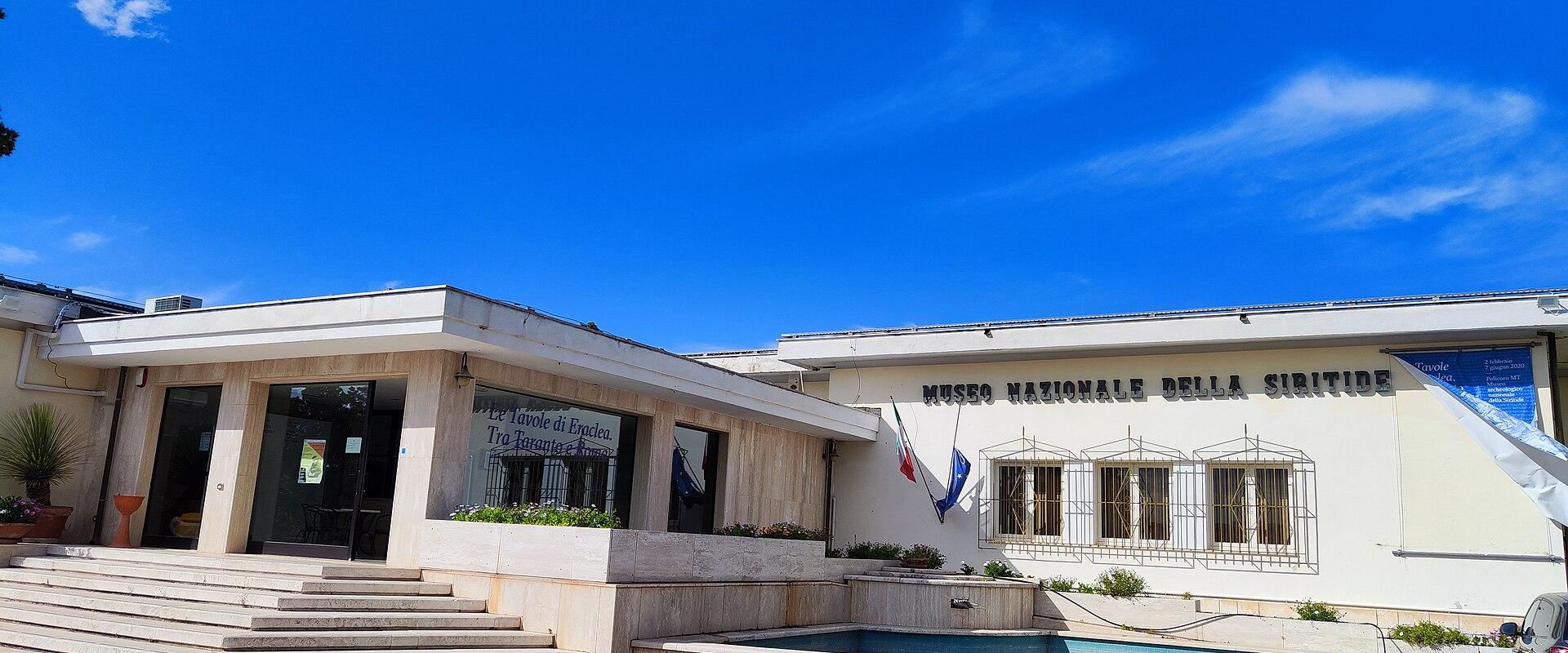
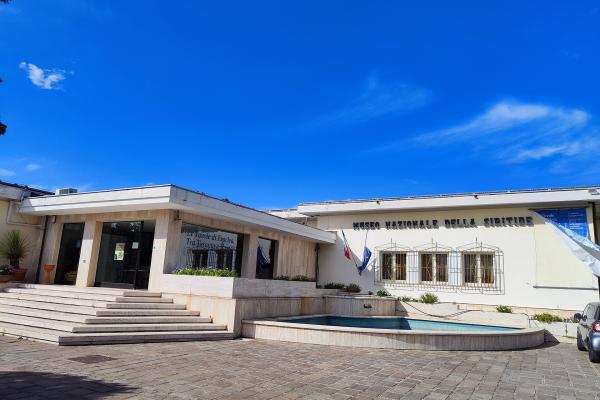
Museo Archeologico Nazionale della Siritide
Metaponto archaeological museum housing Greek artifacts
- Admission
- €8 full, €4 reduced
- Hours
- Tue-Sun 9:00-19:00; Closed Mondays
- Where
- Metaponto, Basilicata and Matera
- Directions
- Directions
The Museo Archeologico Nazionale della Siritide is a national archaeological museum in the Basilicata region of southern Italy, on the Ionian coast, devoted to the ancient Greek world of the area known as the Siritide, the coastal plain around the river Sinni. The museum stands in Policoro, the site of ancient Heraclea, a few kilometers south of the better-known Greek site of Metapontum. Both belong to Magna Graecia, the Greek-settled regions of southern Italy, and both are worth visiting together, so the details below describe the setting and the type of collection with some caution.
The Greek story of the coast began in the 7th century BC, when Greek colonists settled along the Ionian shore. Siris, on the Sinni, was one of the first colonies, and Heraclea, founded in 433 BC by colonists from Taranto and Thurii, became the main city of the area. Metapontum, a little further north, was founded in the 7th century BC and became a prosperous agricultural and trading center, famous for its grain, which appears as an ear of barley on its coins. According to tradition, the philosopher Pythagoras spent his last years in Metapontum and died there. The museum houses an extensive collection of artifacts recovered from the surrounding archaeological sites, offering visitors a comprehensive look at the life and culture of this region of Magna Graecia. The exhibits include pottery, sculptures, jewelry and everyday objects that illustrate the daily activities, religious practices and artistic achievements of the Greek colonists who inhabited the area from the 7th century BC onwards.
Visitors can explore the museum’s organized displays, which provide context for the ruins visible outside. Greek painted pottery, especially red-figure vases of the 4th century BC, made in local workshops, is one of the highlights, along with terracotta figures, votive offerings from sanctuaries, gold jewelry from tombs, bronze objects and coins. The collection highlights the prosperity of the local Greek cities as major agricultural and trading centers, particularly known for the production of grain. The objects from tombs show the beliefs of the colonists and the wealth of their families, and finds from the native Italic peoples who lived beside the Greeks show the contact between the cultures.
It is advisable to check local tourism resources for current access information, including the opening days, which are generally every day except Monday, and ticket prices. A visit takes about an hour and a half. The experience of visiting the museum is educational and reflective, allowing visitors to connect the physical remains of the ancient city with the tangible objects left behind.
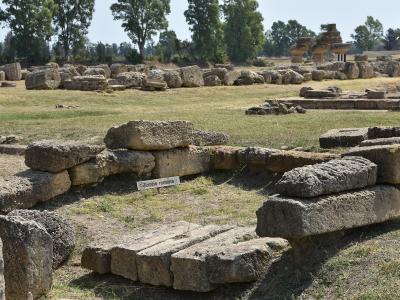
The Greek monument known as the Tavole Palatine, a group of fifteen columns of the Temple of Hera, stands in the countryside near Metaponto and is one of the best-preserved Greek monuments in the area, and the archaeological park with the ruins of the sanctuary and the theater is also in Metaponto. The museum is a vital resource for understanding the rich historical heritage of the Ionian coast of Basilicata, and it is an essential stop for those interested in classical antiquity and the history of ancient Greece in Italy.
Categories
More photos coming soon
Hours & Fees
- Open
- Tue-Sun 9:00-19:00; Closed Mondays
- Admission
- €8 full, €4 reduced
Hours and prices change, especially out of season. Check with the venue before you go.
Questions people ask
Quick Facts
Best Time to Visit
Visit between April and June or September and October for mild temperatures and fewer crowds.