







- Where
- Cesenatico, Emilia-Romagna
- Directions
- Directions
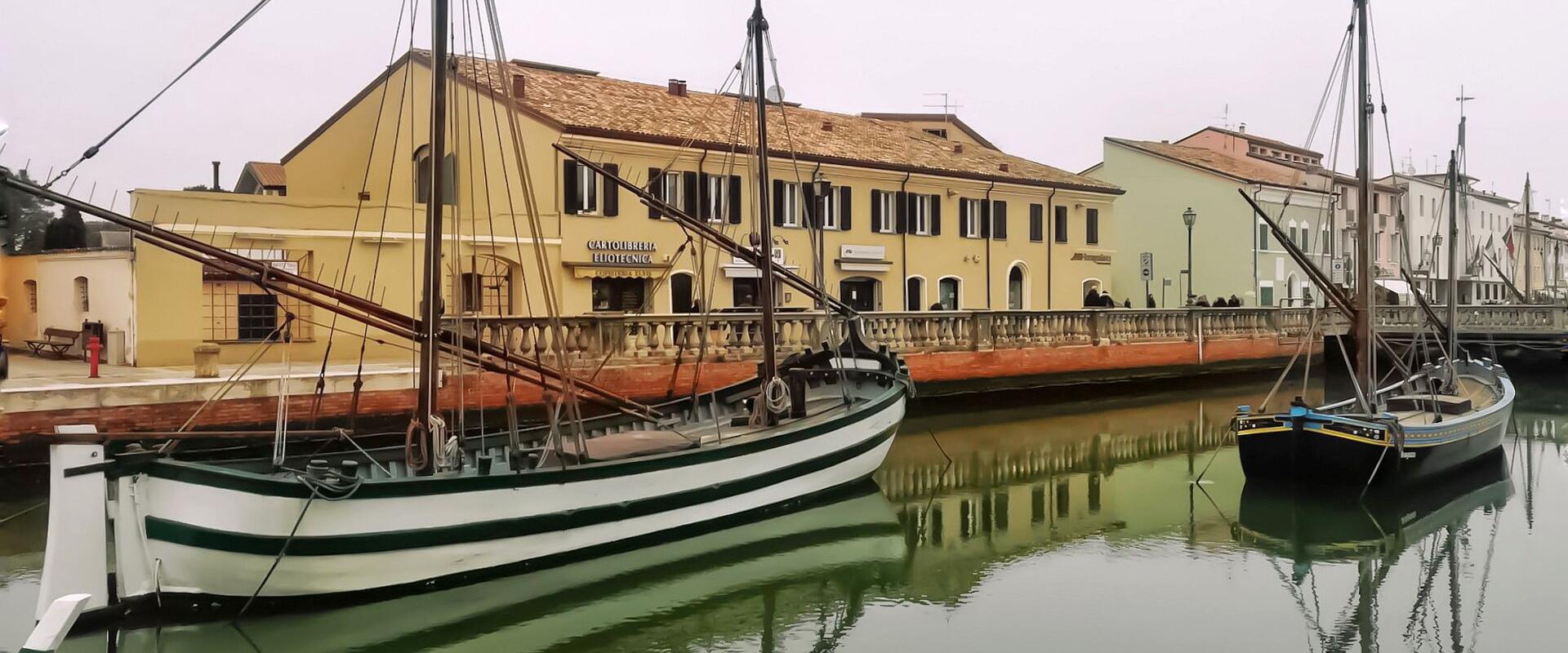
The Leonardo da Vinci Harbor, in Italian the Porto Canale Leonardesco, is the historic canal port of Cesenatico, a seaside town on the Adriatic coast of Romagna, and it has a connection with one of the greatest figures of the Renaissance. In the summer of 1502, Leonardo da Vinci was in the service of Cesare Borgia, known as il Valentino, the son of Pope Alexander VI, who was then conquering territories in central Italy, and Leonardo worked as his architect and general engineer. He travelled through Romagna, studying fortresses and waterways, and he was asked to deal with a problem at Cesenatico, where sandbars kept silting up the entrance of the harbour and blocked the boats. Leonardo surveyed the port and its surroundings and proposed a solution, which involved improving the channel and the way the water flowed.
The visit left a record. Leonardo drew a survey of the harbour of Cesenatico, with annotations, in one of his notebooks, the Code L, as the Codex L is also called, and the drawing is a precious document of how he worked as an engineer. An exact copy of the drawing can be seen in the Municipal Library of Cesenatico, while the original is preserved in Paris. The sketch shows the canal and the harbour mouth, with notes on the tides and the flow of water, and it demonstrates his interest in hydraulics, which also appears in his studies for rivers and canals elsewhere. Whether his solution was fully carried out is a matter of debate, but the connection has given the canal his name, and the town takes pride in it.
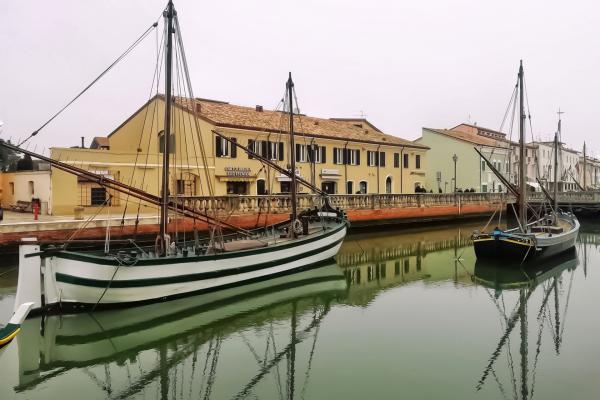
The canal itself is a charming sight. It cuts through the old town, between rows of low houses painted in cheerful colours, with arcades and small shops, and it ends at the sea, where it is guarded by two long breakwaters. Along its banks lie the historic boats of the Museo della Marineria, the maritime museum, which has a floating section, with sailing boats of the Adriatic tradition, including the bragozzi, trabaccoli and other craft with their painted hulls and rust-red sails. At Christmas, a Nativity scene is set up on the boats, an unusual tradition that draws many visitors. The area also includes the Piazzetta delle Conserve, formerly used for food preservation, and the Leonardo da Vinci Art Gallery, and the Maritime Museum, the Museo della Marineria, is on the canal. The canal’s quays are lined with restaurants that serve fresh fish, and the whole scene has a picturesque, nautical atmosphere. The oldest part of the canal, the Canale Medioevale, shows an earlier phase of the port.
The canal is free to visit and open at all times, and a stroll along both banks takes about an hour, while a meal at one of the restaurants is a pleasure. The Borgo Marinaio, the old fishermen’s quarter, the lighthouse at the harbour mouth, the Cesenatico Lighthouse (Faro di Cesenatico), the Naval Museum (Museo della Marineria) and the beaches of the Adriatic coast are all within easy reach. The harbour suits those interested in Leonardo, in boats and in the maritime history of the Adriatic, and it is lovely in the evening, when the lights reflect in the water.
More photos coming soon
Nearby Attractions
Other places to visit in Cesenatico
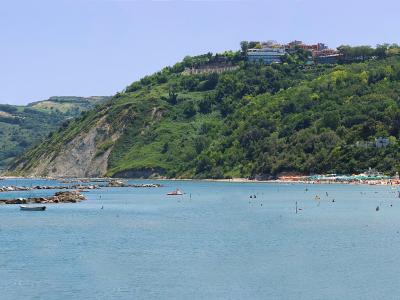
Adriatic Coast Beaches
Golden beaches and Leonardo da Vinci canal
Free Beaches · Harbor Views
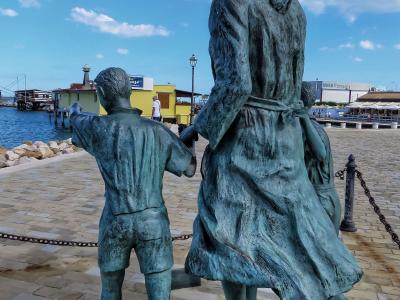
Borgo Marinaio
Historic fishing village and maritime museum
Fishing Villages · Historic Districts
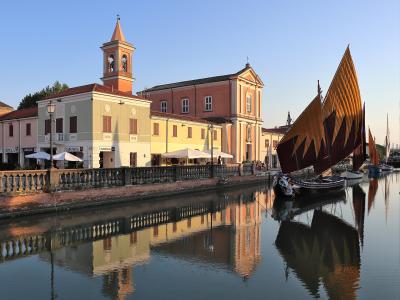
Canale Medioevale (Medieval Canal)
Leonardo da Vinci’s 1502 canal with Italy’s only floating...
Coastal Walks · Historic Districts
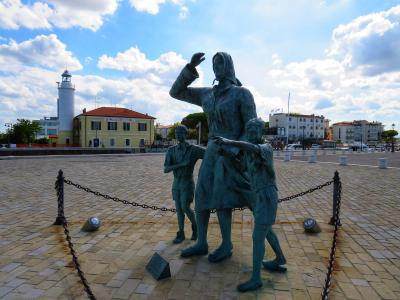
Cesenatico Lighthouse (Faro di Cesenatico)
1896 white tower with 360-degree Adriatic views
Harbor Views · Maritime Museums
Questions people ask
Quick Facts
Best Time to Visit
Visit between May and September for warm weather and ideal beach conditions.