







Canal Grande (Treviso)
Treviso's scenic waterway formed by the Sile and Cagnan r...
- Where
- Treviso, Veneto and the Dolomites
- Directions
- Directions
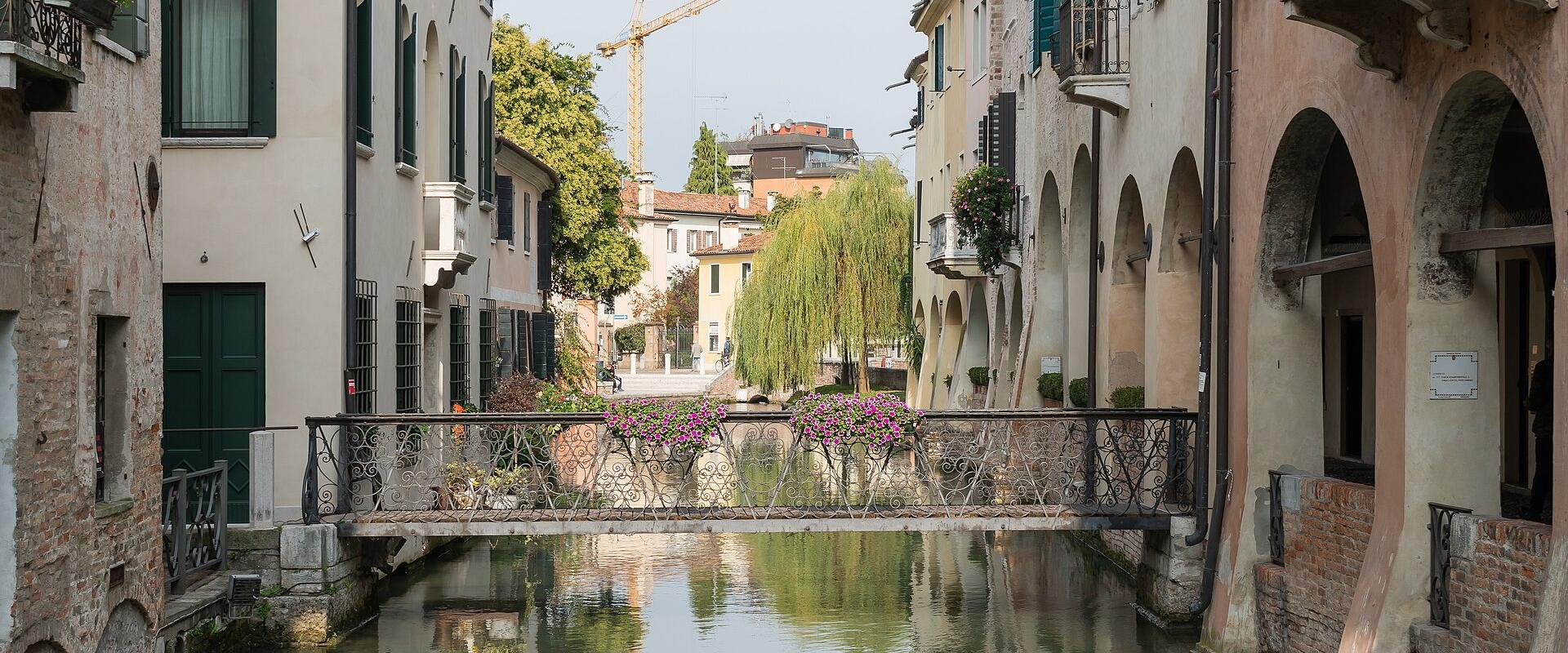
The Canal Grande of Treviso is the name given to the waterways that run through the old town of Treviso, in the Veneto, and they are a major reason why the city is called Little Venice. Treviso is a city of water. It lies at the point where the Sile, the long spring-fed river, meets the Botteniga, a smaller stream, and from these rivers a network of canals was developed that flows through the historic centre, powering mills and workshops in the Middle Ages and carrying goods on barges. The waters are clear and quiet, bordered by medieval houses, willows and small bridges, and the sound of water is part of the character of the city. The canals have shaped Treviso’s history and its urban fabric, and a walk along them is a good way to understand the city.
The canal known as the Cagnan Grande, which is also called the Pescheria canal, is in fact part of the Botteniga river, which takes the name Cagnan when it enters the city. It flows through the centre, between rows of colourful buildings that rise directly from the water, and under arched bridges, passing the old mills and the waterwheels, some of which are still in place. The most picturesque spot is near the Pescheria, the historic fish market, which stands on a little island in the middle of the canal, in a low building of the 19th century with arcades, where fish has been sold for generations. In the morning, the market is busy, with traders selling fish and seafood, and the scene, with the water, the old houses and the people, is lively. The market is a great place to observe local life, and the nearby bars and restaurants offer a drink or a meal.
Visitors can enjoy leisurely strolls along the banks, admiring the medieval architecture and the colourful facades that line the water, with their frescoes, balconies and wooden shutters. The area near the Pescheria is particularly vibrant, and the paths along the canals are quiet and shady, ideal for a walk or a rest. The water level can rise in autumn, and the canals have occasionally flooded, but the atmosphere is always calm. There is a long tradition of using the water for the city’s trades, which is reflected in the street names and the surviving buildings, and the canals served as an important defence for the city walls. The Sile, which passes along the edge of the old town, is the source of a long cycle and walking path, so the city is also a base for outdoor activities.
The canals are free and open at all times, and a walk along them takes about an hour, depending on how often you stop. The old town is compact and best explored on foot. Within a few steps are the Piazza dei Signori, the main square, the Palazzo dei Trecento, the medieval town hall, the Basilica di Santa Maria dei Miracoli and the old gate, Porta San Tomà, and a little farther, the Sile River Park offers a longer excursion into nature. The canals reflect the Venetian-inspired heritage of the town, and the Portico dei Banchi is nearby. The canals suit those who like water, architecture and a relaxed atmosphere, and early morning is the best time to catch the market and the quiet light.
Categories
More photos coming soon
Nearby Attractions
Other places to visit in Treviso
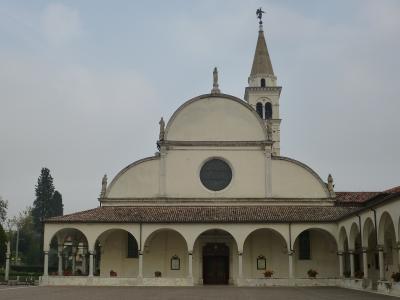
Basilica di Santa Maria dei Miracoli
15th-century Renaissance basilica in Treviso
Architectural Monuments · Historic Churches
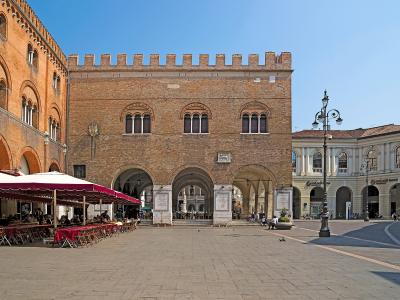
Palazzo dei Trecento
Medieval civic palace with iconic brick tower
Architectural Monuments · Historic Districts
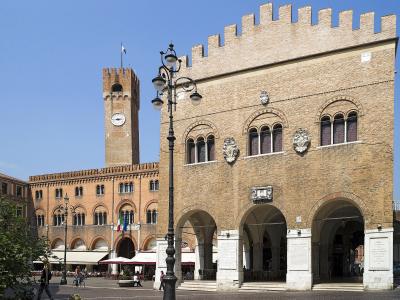
Piazza dei Signori
Treviso square with Venetian lion statues
Historic Palaces · Public Statues
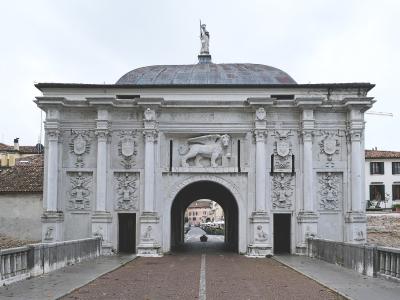
Porta San Tomà
16th-century Venetian Renaissance gate in Treviso
Architectural Monuments · Historic Districts
Questions people ask
Quick Facts
Best Time to Visit
Visit between April and June or September and October for mild temperatures and fewer crowds.