





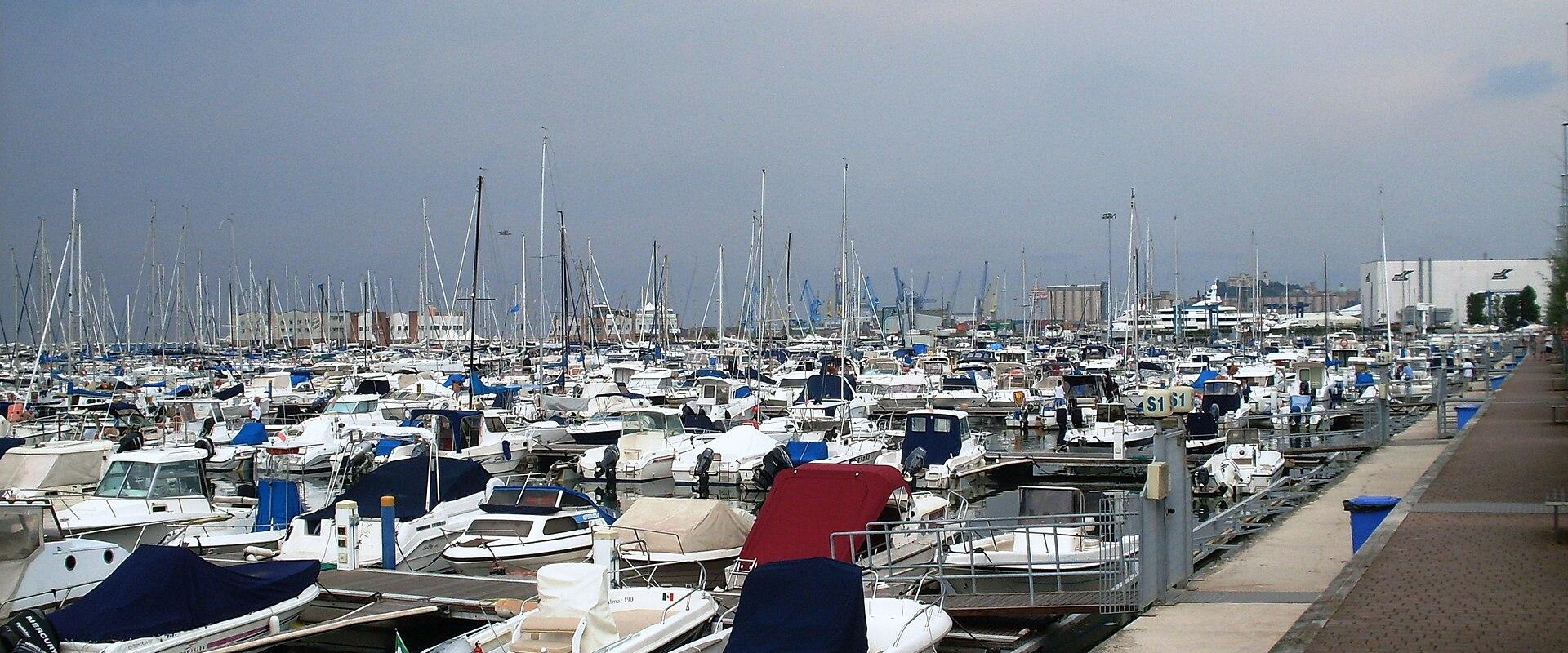
Porto Turistico di Ancona
Ancient Roman port with medieval ruins
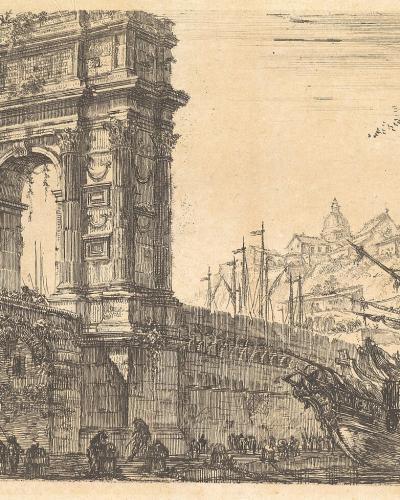
Travelers visiting Ancona should note that the provided research focuses on the Ancient Port (Porto Antico) rather than the modern Porto Turistico. The Ancient Port is a significant historical landmark located in the heart of the city. Ancona was founded by Greek colonizers from Syracuse in 387 BC, and its name derives from the Greek word for "elbow," describing the coastline's shape. The port served as a Roman fleet base during the Illyrian Wars in the 2nd century BC.
Excavations between 1998 and 2001 revealed the Roman port, which was in use from the Late Republic until the 5th century. Visible remains include 2nd-century BC city walls made of sandstone blocks and the 13th-century Captain’s House, the only surviving Medieval building in the port. The Captain’s House is noted for its ogival arches and Romanesque frieze. The site is described as offering marvelous sunsets and a bustling atmosphere, making it a must-see landmark.
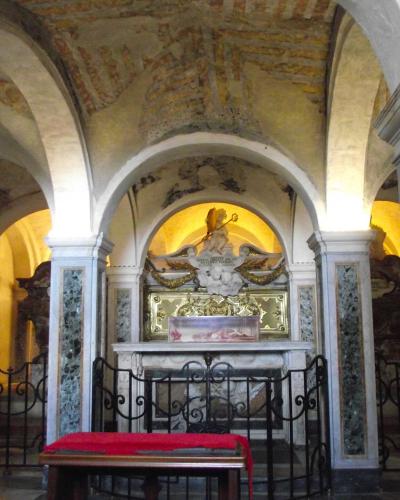
While specific opening hours and admission fees for the Ancient Port are not detailed in the provided research, it is generally accessible as a public archaeological area. The experience of visiting the Ancient Port provides a deep insight into Ancona’s layered history, from its Greek origins to its Roman and Medieval periods. It serves as a cultural anchor for the city, complementing visits to other landmarks such as the Cathedral of San Ciriaco. For those interested in the modern Porto Turistico, which handles contemporary ferry traffic and leisure boating, this area is distinct from the historic ruins. Exploring the Ancient Port ensures a meaningful engagement with the maritime heritage of the Adriatic coast.
Categories
More photos coming soon
Hours & Fees
Hours
null
Admission
null
Nearby Attractions
Other places to visit in Ancona
Quick Facts
Best Time to Visit
Visit between April and June or September and October for mild temperatures and fewer crowds.