



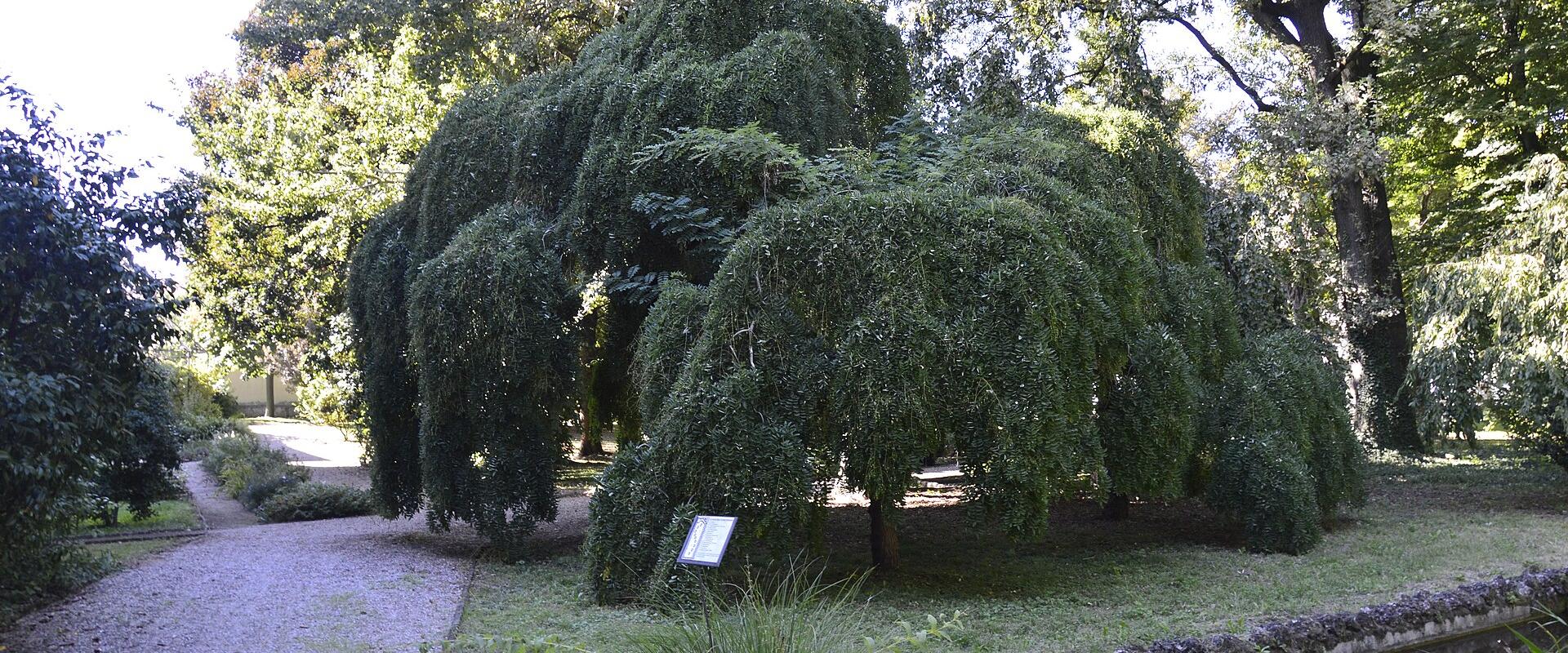
Giardino Botanico
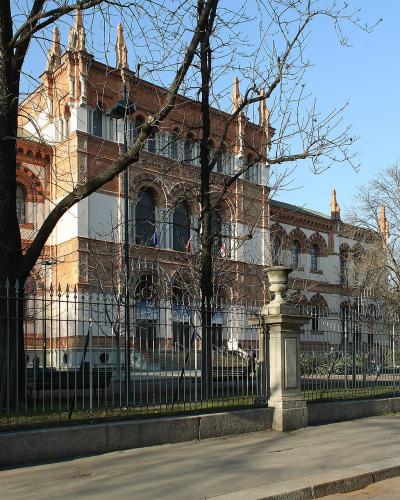
19th-century botanical garden with historic glasshouses
Travelers visiting Pavia should note that the provided research does not contain specific details regarding the Giardino Botanico in Pavia, such as its history, opening hours, or admission fees. It is important to distinguish this site from other botanical gardens in Italy, such as the Giardino Botanico Alpino in Cuneo or the Orto Botanico in Padua. Pavia is a historic university town in Lombardy, known for its medieval architecture, including the Ponte Coperto and the Certosa di Pavia.
If a botanical garden exists in Pavia, it is likely associated with the University of Pavia, which has a long history of botanical study. Many Italian universities maintain small, specialized botanical collections for educational and research purposes. These gardens often feature native plant species and medicinal herbs, reflecting the region’s agricultural and scientific heritage.
Visitors interested in botany in the Pavia area may wish to explore the broader Lombardy region, which includes renowned sites like the Orto Botanico di Pavia (if distinct from the university collection) or the gardens in nearby Milan. It is advisable to consult the University of Pavia’s official website or local tourism offices for accurate information on any botanical sites within the city. Exploring Pavia’s verified attractions, such as the Biblioteca Universitaria and the Duomo, ensures a meaningful engagement with the region’s cultural and academic history. The combination of medieval heritage and academic tradition makes Pavia a unique destination in Northern Italy. For those seeking specific local knowledge, engaging with local guides is recommended to uncover hidden gems and lesser-known sites within the town.
Categories
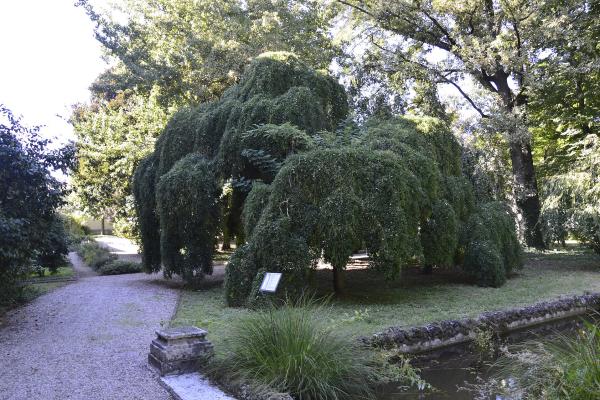
More photos coming soon
Hours & Fees
Hours
Tue-Sun 9:00-12:00, 14:00-17:00; Closed Mon
Admission
Free admission
Nearby Attractions
Other places to visit in Pavia
Quick Facts
Best Time to Visit
Visit between April and June or September and October for mild temperatures and fewer crowds.